
スリランカのサファリでよく見られる動物

Sri Lanka is one of the best places in Asia for wildlife safaris—thanks to its mix of national parks, wetlands, and coastal waters packed with biodiversity. In a single trip, you could spot elephants at a waterhole, a crocodile sunbathing on a bank, deer grazing in open plains, and (if you’re lucky) the island’s elusive leopard.

This guide covers the most common animals you can spot on safari in Sri Lanka, plus where to see them, the best times to go, and simple tips for enjoying wildlife responsibly—so your safari is memorable for the right reasons.

最適な用途 Elephants • Leopards • Birds • Marine life
Safari styles Jeep safaris • Wetland spotting • Whale watching
Good to know Sightings vary by season, time, and park

Tip: If you’re planning your route, start with the “Where to See Wildlife in Sri Lanka” section next—then match parks to the animals you most want to see.

Safari Guide Overview

Use this quick guide to jump directly to the sections you’re most interested in—from the best safari locations to wildlife spotting tips and conservation guidelines.

Where to See Wildlife in Sri Lanka

Sri Lanka’s compact size makes it possible to experience a wide range of wildlife across different regions. From dry-zone national parks known for large mammals to wetlands rich in birdlife and coastal waters famous for whales, each location offers a unique safari experience.

Most wildlife safaris take place inside protected national parks, where animals roam freely in their natural habitats. The choice of park often depends on the animals you want to see, the season, and the type of safari you prefer.

ヤラ国立公園

Famous for having one of the highest leopard densities in the world, Yala is also home to elephants, crocodiles, sloth bears, spotted deer, and a wide variety of birds. It is one of the most popular safari destinations in Sri Lanka.

ウィルパットゥ国立公園

Known for its natural lakes called villus, Wilpattu offers a quieter safari experience. Visitors can spot leopards, sloth bears, deer, wild boar, and numerous bird species in a more forested landscape.

ウダワラウェ国立公園

Udawalawe is one of the best places in Sri Lanka to see elephants throughout the year. Open grasslands and water reservoirs make animal sightings frequent and ideal for families and first-time safari visitors.

Minneriya & Kaudulla National Parks

These parks are world-famous for the seasonal elephant gathering, where hundreds of elephants congregate around shrinking water sources during the dry season. Other sightings include deer, birds, and occasional predators.

Bundala & Kumana National Parks

Ideal for birdwatchers, these parks protect important wetland ecosystems. Migratory birds, crocodiles, elephants, and small mammals can be spotted, especially during the migratory season.

Best Time for Safari in Sri Lanka

Sri Lanka offers wildlife safaris all year, but the best sightings usually happen in the dry season when animals gather around lakes and waterholes. Different parks also have their own “peak” times depending on rainfall patterns, migration seasons, and animal behaviour.

Best season for big mammals

Dry months are typically the easiest time to spot large mammals because visibility improves and wildlife concentrates near water. For example, Udawalawe is excellent in the dry season when elephants gather at waterholes in large numbers.

Elephants & birds

Elephants can be seen year-round in Udawalawe, 、 その間 migrant birds are most common from November to March. This makes the Nov–Mar window a great option if you want both mammals and birdlife in one trip.

Best time of day

Most parks run morning safaris (early start, cooler temperatures) and afternoon safaris (good light, active wildlife). For example, Yala safaris often start before the gates open around 06:00, with typical morning sessions running roughly 05:00–10:00 and afternoon sessions around 13:00–18:00.

Park-specific timing tips

Some parks have special seasonal highlights—for example, Wilpattu is recommended from February to October for a strong safari experience, and sloth bears are often most visible around June–July when the Palu tree is in bloom.

Common Animals You Can Spot on a Safari in Sri Lanka

Sri Lanka’s national parks are home to an impressive range of wildlife, making safaris both exciting and rewarding for visitors. Thanks to the island’s diverse ecosystems—ranging from dry forests and grasslands to wetlands and coastal areas—you can encounter large mammals, reptiles, birds, and even marine species within a relatively short travel distance.

Some animals, such as elephants, deer, and crocodiles, are frequently seen and form the backbone of most safari experiences. Others, like leopards and sloth bears, are more elusive but remain among the most thrilling sightings due to their rarity and behaviour in the wild.

The animals featured below are those most commonly spotted during jeep safaris across Sri Lanka’s major national parks. Sightings can vary depending on the park, season, time of day, and weather conditions—but each safari offers a unique opportunity to observe wildlife in its natural habitat.

Note: Wildlife sightings are never guaranteed, but choosing the right park and season can greatly increase your chances of seeing these animals in the wild.

ゾウ

Sri Lankan elephants roaming freely in a national park
Sri Lankan elephants often gather near water bodies inside national parks, especially during the dry season.

The Sri Lankan elephant (エレファス・マキシムス・マキシムス), a subspecies of the Asian elephant (Elephas maximus), is one of the most iconic and frequently seen animals on a Sri Lankan safari. Known for their intelligence, strong family bonds, and calm behaviour, these gentle giants usually move in herds and are commonly spotted near rivers, lakes, and waterholes.

This subspecies is the largest and darkest among Asian elephants, easily recognised by distinctive patches of depigmentation on its ears, face, trunk, and belly. Sri Lankan elephants are highly social animals, typically living in family groups of 12 to 20 individuals led by an experienced matriarch.

Once widespread across the island, elephant populations have declined significantly due to habitat loss caused by expanding agriculture and human settlements. It is estimated that their numbers have dropped by nearly 65% since the 19th century. Today, elephants are strictly protected by Sri Lankan law, and harming or killing one carries severe legal penalties.

Elephants hold deep cultural and economic importance in Sri Lanka, playing a vital role in tourism and religious traditions. However, increasing human–elephant conflict remains the biggest challenge to their survival, highlighting the need for responsible tourism and long-term conservation efforts.

Best National Parks & Best Time to See Elephants

Elephants can be seen in several national parks across Sri Lanka throughout the year. However, sightings are generally best during the dry season when elephants gather around shrinking water sources. The parks below are considered the most reliable locations for elephant safaris.

国立公園 訪問に最適な時期 Why It’s Ideal
ウダワラウェ国立公園 Year-round (best: May – September) Consistently high elephant sightings near reservoirs and open grasslands
ミネリヤ国立公園 July – October World-famous for the seasonal elephant gathering during the dry season
カウドゥラ国立公園 August – November Key migration area with large herds moving between Minneriya and Kaudulla
フルルエコパーク June – October Excellent elephant sightings in a quieter forest setting near Habarana
Kala Wewa National Park June – October Elephants gather around the ancient Kala Wewa reservoir, often with fewer crowds
ヤラ国立公園 February – July Regular elephant sightings alongside leopards and other major wildlife
ウィルパットゥ国立公園 February – October Natural villu lakes attract elephants in a calm, forest-rich environment

Tip: Morning safaris usually offer better elephant sightings due to cooler temperatures and increased activity.

Crocodiles

Mugger crocodile resting by a river bank in Sri Lanka
Crocodiles are often spotted sunning themselves on riverbanks and lake edges inside national parks.

Crocodiles are Sri Lanka’s largest reptiles and one of the island’s most fascinating yet misunderstood predators. Sri Lanka is considered one of the best places in Asia to observe crocodiles in the wild, especially around lakes, rivers, lagoons, and wetlands within national parks.

The country is home to two crocodile species: the Mugger or Marsh Crocodile (Crocodylus paluster) and the Saltwater or Estuarine Crocodile (Crocodylus porosus). Both species are highly adapted hunters, known for their excellent night vision, powerful jaws, and ability to remain motionless for long periods while waiting for prey.

Crocodiles play a vital ecological role by controlling fish populations and maintaining balance within wetland ecosystems. Despite their importance, they often have a negative reputation due to occasional human–crocodile interactions near water edges.

On safari, crocodiles are most commonly seen basking on riverbanks or partially submerged near water edges, making them relatively easy to spot compared to many mammals.

Best National Parks & Best Time to See Crocodiles

Crocodile sightings are generally reliable throughout the year in parks with permanent water bodies. Dry months often improve visibility as crocodiles gather near shrinking water sources and lakes.

国立公園 訪問に最適な時期 Why It’s Ideal
ヤラ国立公園 Year-round (peak: Feb – Jul) Large populations along rivers & waterholes
ウダワラウェ国立公園 一年中 Reservoir edges & riverbanks are prime spots
ウィルパットゥ国立公園 Feb – Oct Villu lakes attract crocodiles throughout the year
ミネリヤ国立公園 Jul – Oct Crocodiles gather as water concentrates near the reservoir
カウドゥラ国立公園 Aug – Nov Wetlands and shallow lakes attract consistent sightings

Tip: Crocodiles are easiest to spot when they bask around riverbanks and shorelines during warm daylight hours.

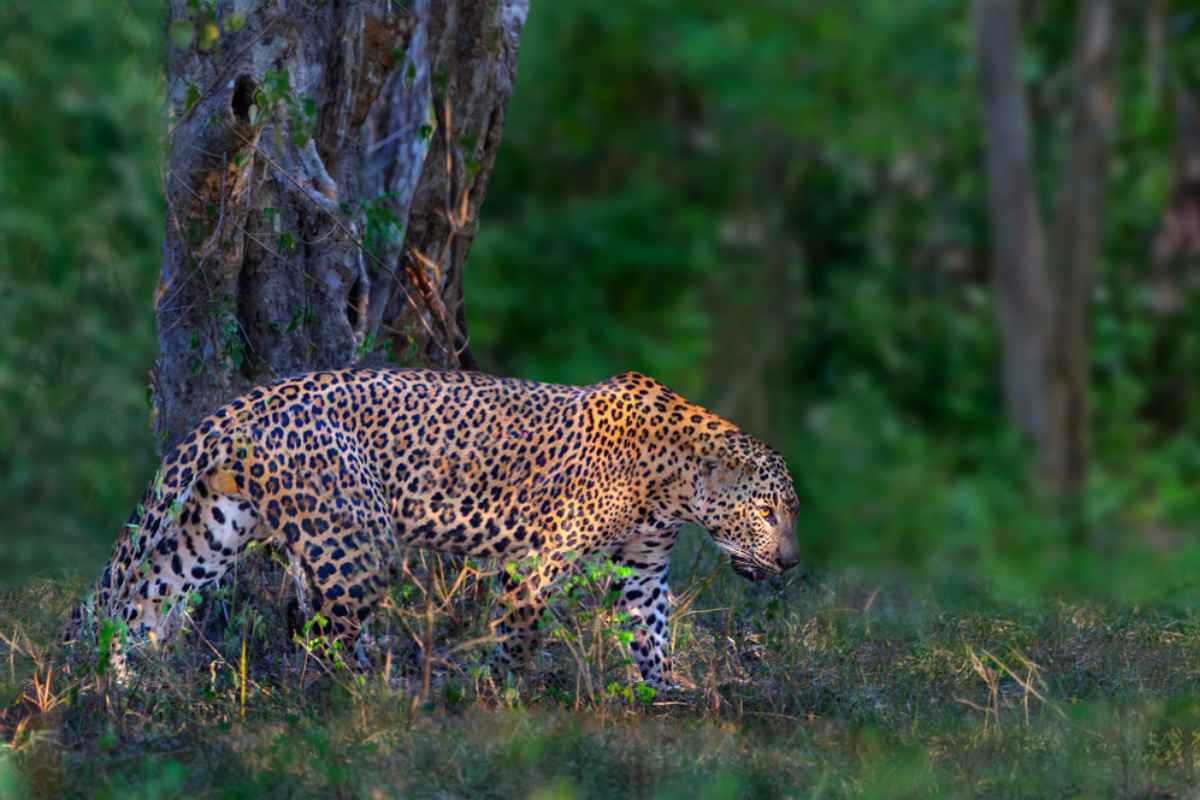
Leopards

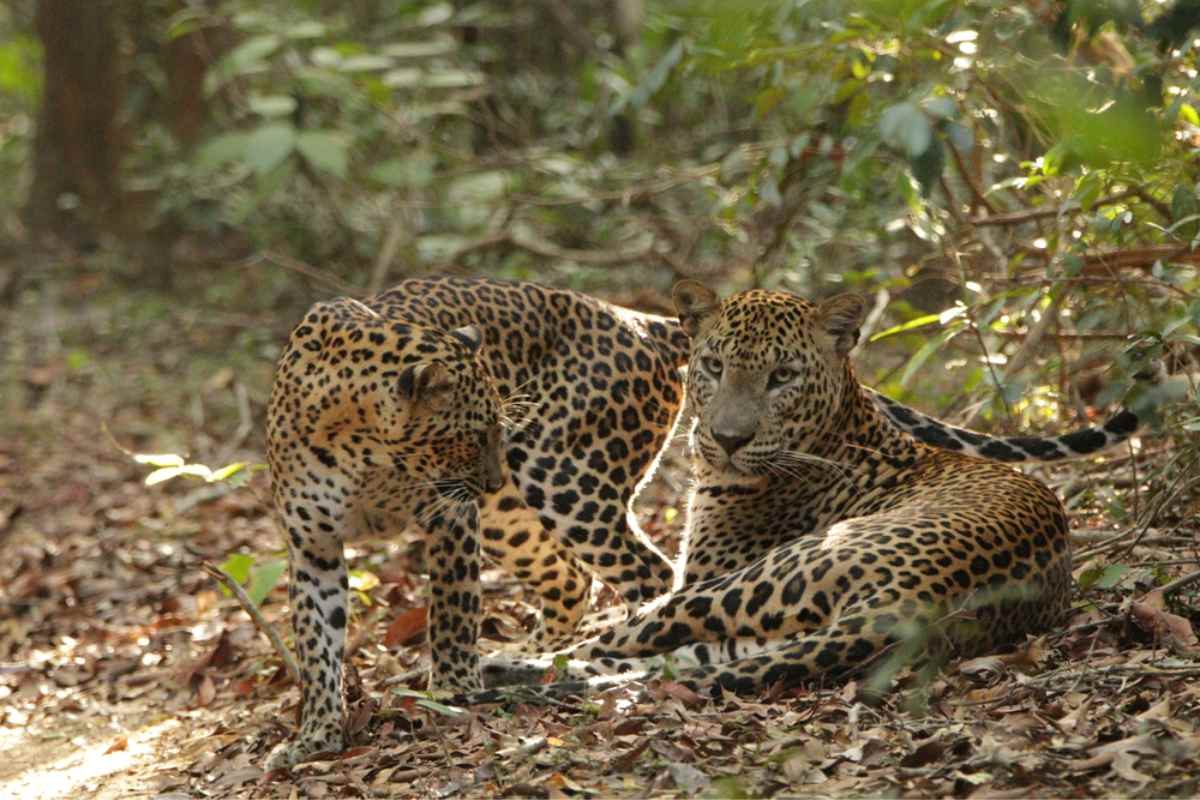
Sri Lankan leopard resting on a tree branch inside a national park
The Sri Lankan leopard is the island’s apex predator and one of the most sought-after safari sightings.

The Sri Lankan leopard (Panthera pardus kotiya) is a majestic and solitary big cat, making it one of the most thrilling animals to encounter on a safari in Sri Lanka. As the island’s top predator, it plays a crucial role in maintaining ecological balance across forest and grassland habitats.

This subspecies was first described in 1956 and is endemic to Sri Lanka. It is distinguished by its tawny or rusty-yellow coat marked with dark spots and closely spaced rosettes. Adult males typically weigh around 56 kg, while females are noticeably smaller and more elusive.

Sri Lankan leopards are primarily nocturnal hunters, preying on animals such as Sri Lankan axis deer, sambar deer, barking deer, wild boar, and monkeys. Unlike many other regions, the leopard functions as the apex predator in Sri Lanka due to the absence of larger competing carnivores.

As of 2020, the Sri Lankan leopard is listed as Vulnerable on the IUCN Red List, with fewer than 800 mature individuals estimated to remain in the wild. Habitat loss, fragmentation, and human-induced mortality pose the greatest threats to its survival.

Best National Parks & Best Time to See Leopards

Leopard sightings depend heavily on park selection, timing, and patience. Dry seasons generally improve visibility, and early morning or late afternoon safaris offer the best chances of spotting this elusive predator.

国立公園 訪問に最適な時期 Why It’s Ideal
ヤラ国立公園 February – July Highest leopard density in Sri Lanka with regular sightings
ウィルパットゥ国立公園 February – October Natural villu lakes attract prey species, increasing leopard activity

Tip: Leopards are most active during dawn and dusk—quiet safaris with minimal vehicle movement greatly increase your chances of a sighting.

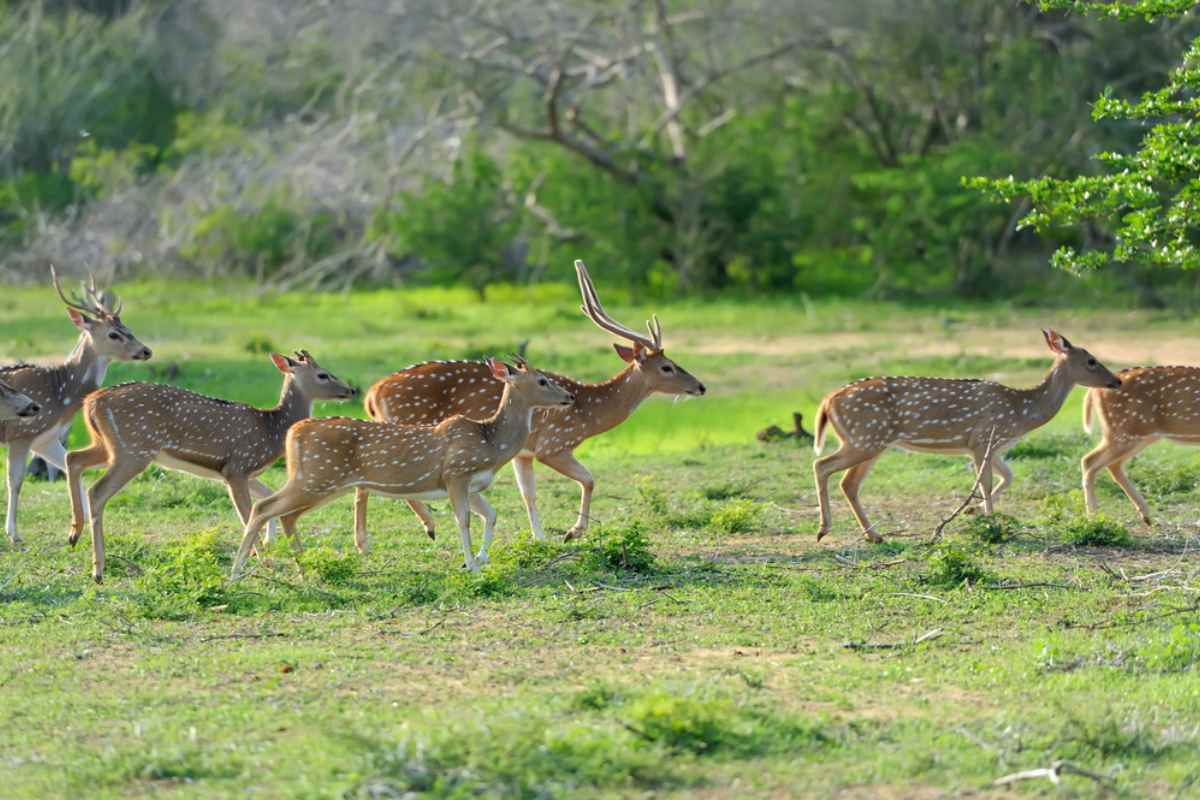
Spotted Deer

Spotted deer grazing in open grasslands inside a Sri Lankan national park
Spotted deer are commonly seen grazing in open grasslands and near water sources during safaris.

The Spotted Deer, also known as the Chital or Axis Deer (Axis axis), is one of the most commonly seen mammals on safari in Sri Lanka. Recognised for its elegant build and distinctive white-spotted coat, this species is easily identified and remains beautifully patterned throughout its life.

Adult males are distinguished by their impressive antlers, which can grow up to 30 inches in length. Spotted deer are social animals, often seen in herds grazing in open grasslands, forest edges, and near water bodies, especially during the early morning and late afternoon.

As a key prey species, spotted deer play a crucial role in Sri Lanka’s food chain, supporting apex predators such as leopards. Their alert behaviour and sharp senses also help warn other animals of potential danger, contributing to the balance of the ecosystem.

The regular presence of spotted deer is often considered an indicator of a healthy and balanced environment, making them an important species for wildlife conservation in Sri Lanka.

Best National Parks & Best Time to See Spotted Deer

Spotted deer are visible year-round in many national parks, especially in areas with open grasslands and permanent water sources. Sightings are most frequent during dry months and cooler parts of the day.

国立公園 訪問に最適な時期 Why It’s Ideal
ヤラ国立公園 February – July Large herds visible in open grasslands and near waterholes
ウィルパットゥ国立公園 February – October Frequently seen around villu lakes and forest clearings
ウダワラウェ国立公園 一年中 Open terrain allows easy viewing of grazing herds
ミネリヤ国立公園 July – October High visibility during the dry season near the reservoir
カウドゥラ国立公園 August – November Spotted near grasslands and water bodies alongside elephants

Tip: Spotted deer are most active in the early morning and late afternoon, making these safari times ideal for clear sightings and photography.

Sambar Deer

Sri Lankan sambar deer standing in forest vegetation
The sambar deer is one of the largest deer species in Sri Lanka, often found in dense forest habitats.

The Sri Lankan Sambar Deer (Rusa unicolor unicolor) is a subspecies of the sambar deer native to Sri Lanka and is recognised as one of the largest deer species on the island. Its size, strength, and adaptability make it a significant presence within Sri Lanka’s forest ecosystems.

Adult males are large and robust, often distinguished by dense manes of hair around their necks. Compared to spotted deer, sambar deer prefer thicker vegetation and forested areas, making them slightly more challenging to spot on safari.

Sambar deer are primarily nocturnal or crepuscular, becoming more active during early morning and late evening hours. Their diet consists mainly of grasses, leaves, fruits, and other vegetation found within forests and mountainous regions.

As an important prey species, sambar deer play a vital role in supporting large predators such as the Sri Lankan leopard. Their presence contributes significantly to maintaining balance within the food chain and overall ecosystem health.

Best National Parks & Best Time to See Sambar Deer

Sambar deer are widely distributed across Sri Lanka’s national parks, particularly in forested and hilly regions. Sightings are more common during quieter safari hours when human activity is minimal.

国立公園 訪問に最適な時期 Why It’s Ideal
ヤラ国立公園 February – July Occasionally seen near forest edges and water sources
ウィルパットゥ国立公園 February – October Forest cover and villu lakes attract sambar deer
ウダワラウェ国立公園 一年中 Seen along forest margins and less open grasslands
ミネリヤ国立公園 July – October Occasional sightings near wooded areas during dry season
カウドゥラ国立公園 August – November Forest-rich habitat supports sambar populations

Tip: Sambar deer are most likely to be spotted during early morning or late evening safaris, especially in quieter forested zones.

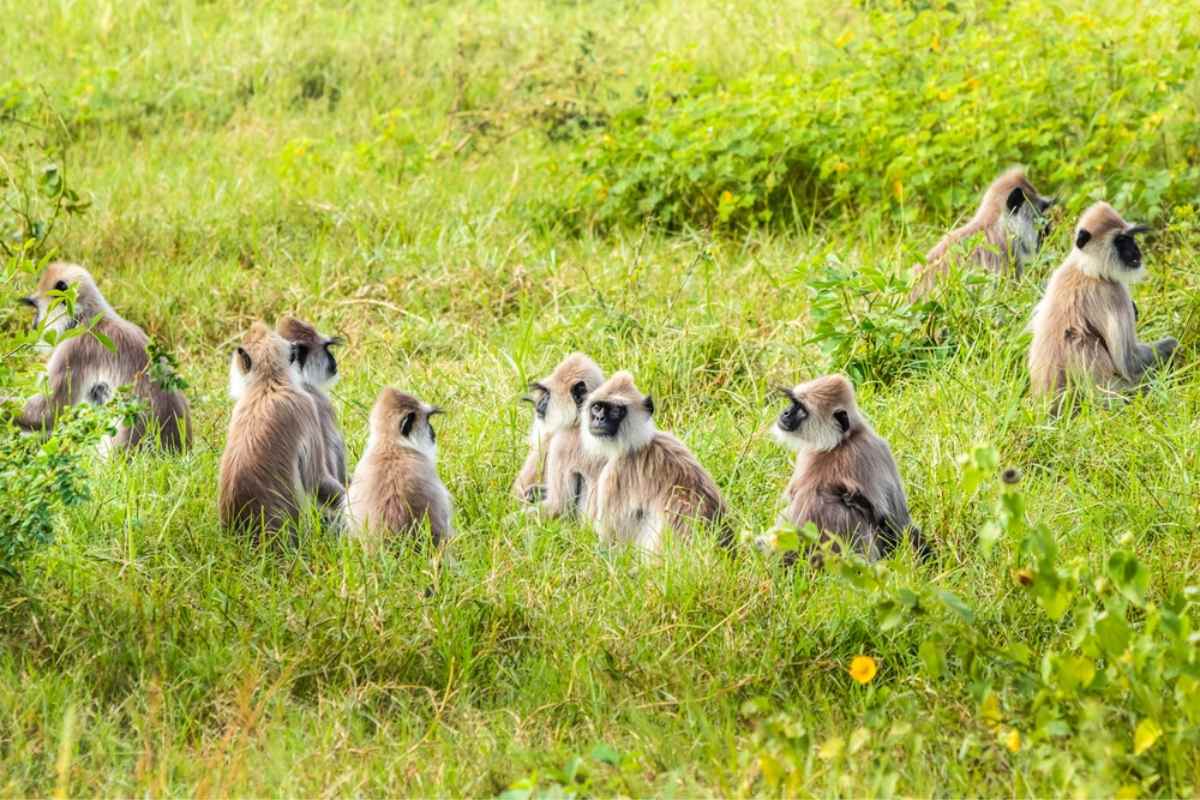
Monkeys

Monkeys in Sri Lanka resting and moving through trees near a safari area
Monkeys are frequently seen in Sri Lanka’s national parks—especially near forests, water sources, and roadsides.

Monkeys are among the most commonly spotted animals on safari in Sri Lanka. They are intelligent, highly social, and quick-moving—often seen jumping through trees, feeding on fruits, or watching safari vehicles from the forest edge.

Sri Lanka is home to three well-known monkey species. Two are endemic to the island: the Toque Macaque (Macaca sinica) and the Purple-faced Leaf Monkey (Semnopithecus vetulus). The third is the Tufted Gray Langur (Semnopithecus priam), which is also found in parts of India.

These primates typically live in troops, often led by a dominant (alpha) male. Group sizes commonly range from 6 to 10 individuals, but larger troops can be seen—especially among toque macaques and gray langurs in areas with abundant food sources.

Monkeys play an important role in ecosystems through seed dispersal and forest regeneration. However, in some rural and forest-edge communities, monkeys are considered pests due to crop-raiding behaviour, which can create human–wildlife conflict.

Best National Parks & Best Time to See Monkeys

Monkeys can be seen year-round across many national parks. Early morning and late afternoon are often best, when temperatures are cooler and feeding activity increases.

国立公園 訪問に最適な時期 Why It’s Ideal
ヤラ国立公園 一年中 Common sightings near forest edges and waterholes during jeep safaris
ウィルパットゥ国立公園 February – October Good mix of forest habitats supporting multiple primate species
ウダワラウェ国立公園 一年中 Frequently seen around wooded patches and near water areas
ミネリヤ国立公園 July – October Monkeys are commonly visible near forest lines and reservoir zones
カウドゥラ国立公園 August – November Strong primate presence in forested areas and tree cover

Tip: Never feed monkeys or leave food visible in safari vehicles—this encourages aggressive behaviour and increases human–wildlife conflict.

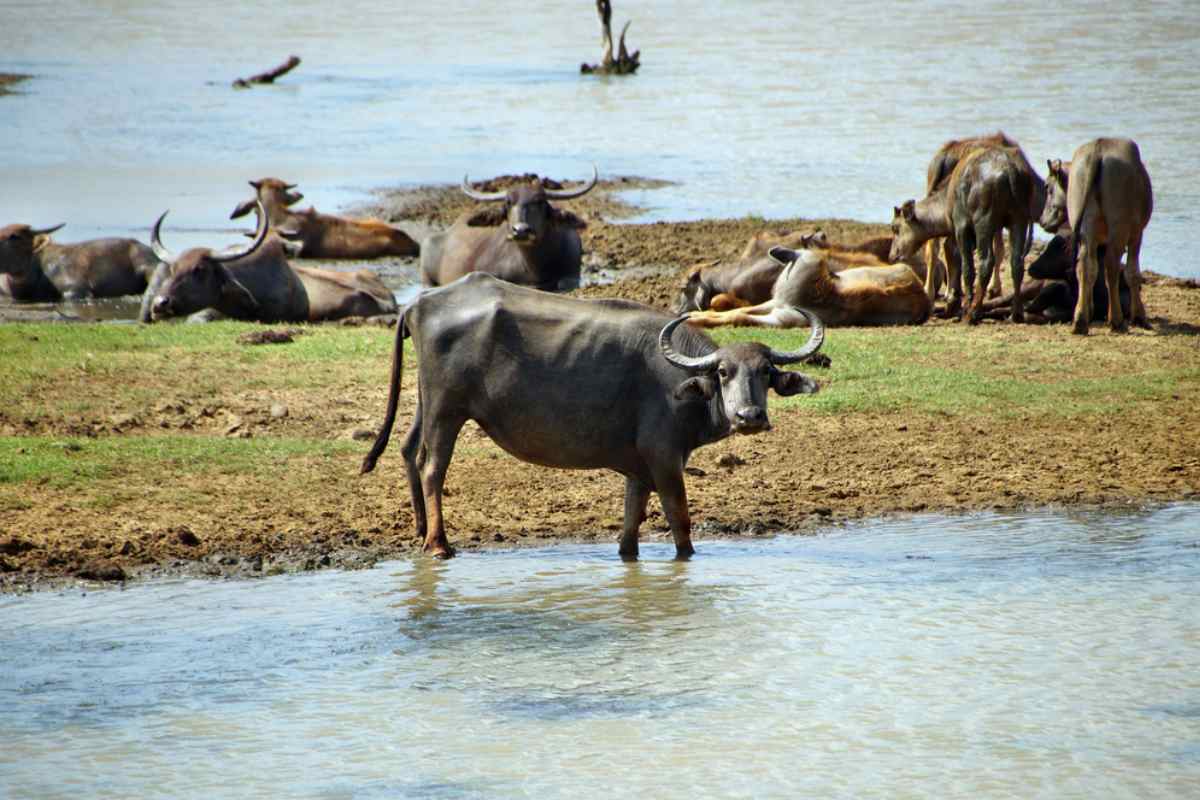
Wild Water Buffalos

Wild water buffalo resting near a swamp inside a Sri Lankan national park
Wild water buffalos are commonly found near swamps, reservoirs, and waterholes inside national parks.

The Wild Water Buffalo (Bubalus bubalis) is one of the most powerful and imposing mammals found on safari in Sri Lanka. These animals play a crucial role in maintaining wetland ecosystems and are most often seen around swamps, grasslands, and permanent water sources within national parks.

Adult wild water buffalos are massive animals, capable of reaching up to six feet at the shoulder. Males typically weigh between 700 and 1,200 kilograms, while females are slightly smaller. Both sexes possess horns—females tend to have longer, curved horns, while males have broader and stronger horns used for defence.

These formidable horns provide protection against predators such as leopards and also play a role in dominance displays. Wild water buffalos are generally calm but can become aggressive if threatened, especially when calves are present.

Native to the Indian Subcontinent and Southeast Asia, the wild water buffalo has been listed on the IUCN Red List since 1986. Habitat loss, hybridisation with domestic buffalo, and human encroachment continue to pose challenges to their long-term survival.

Best National Parks & Best Time to See Wild Water Buffalos

Wild water buffalos can be seen year-round in parks with wetlands and reservoirs. Sightings are most common during dry months when animals gather around water sources.

国立公園 訪問に最適な時期 Why It’s Ideal
ヤラ国立公園 February – July Regular sightings near lagoons and waterholes
ウダワラウェ国立公園 一年中 Reservoirs and grasslands attract large buffalo groups
ウィルパットゥ国立公園 February – October Swampy villu lakes provide ideal buffalo habitat
ミネリヤ国立公園 July – October Buffalos gather near the reservoir during the dry season
カウドゥラ国立公園 August – November Wetlands and water sources support stable buffalo populations

Tip: Always maintain a safe distance—wild water buffalos can be unpredictable, especially when protecting calves.

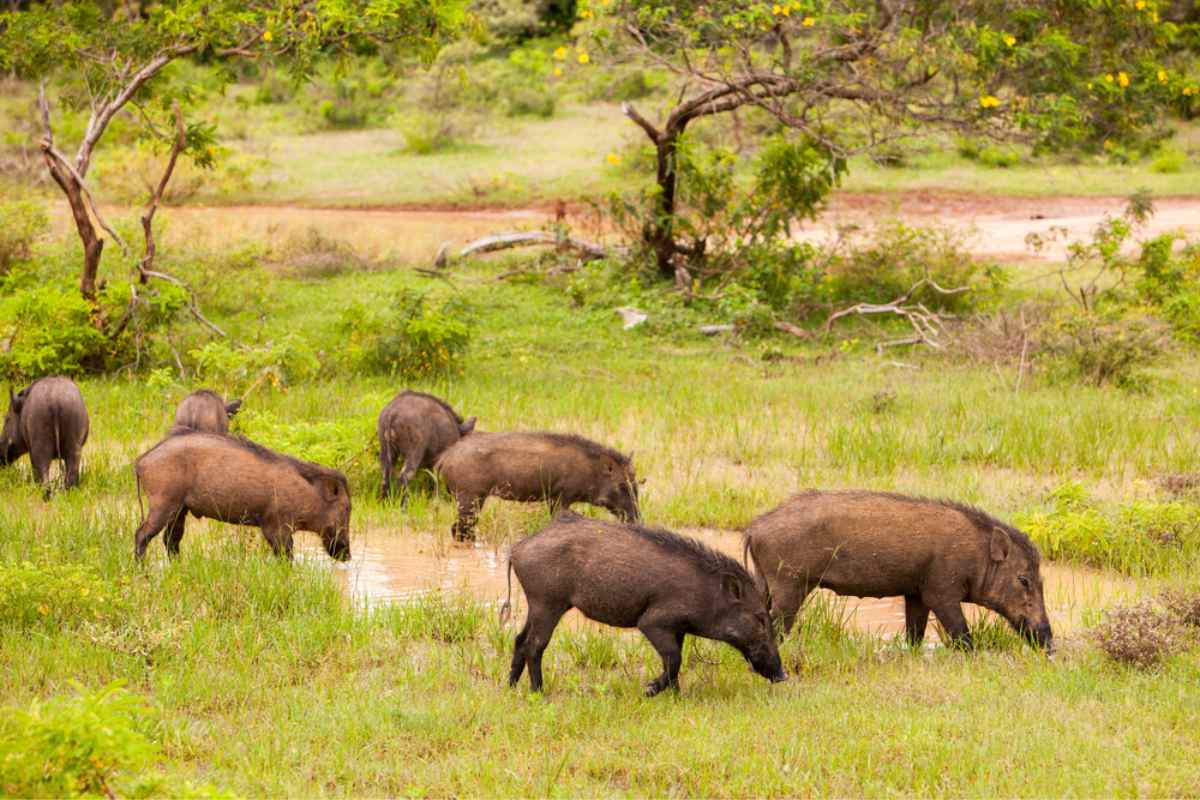
Wild Boars

Wild boar walking through dry-zone vegetation in Sri Lanka
Wild boars are adaptable omnivores and are commonly seen foraging along forest edges and open areas.

The Wild Boar (Sus scrofa affinis) is a subspecies of the wild boar native to the Indian subcontinent, including Sri Lanka. On safari, wild boars are often spotted moving in small groups or foraging alone near forest edges, grasslands, and water sources.

Wild boars are known for their adaptability and can thrive in a wide range of habitats. They have a robust body, a relatively small and narrow head, and short, strong legs suited for digging and pushing through thick vegetation.

As omnivores, they feed on roots, fruits, seeds, insects, small animals, and carrion. This versatile diet makes them widespread and ecologically important, as they help recycle nutrients and influence vegetation through their foraging behaviour.

Due to their resilience and broad diet, wild boars are not generally considered endangered. However, local populations can still be affected by habitat loss and hunting pressure in some regions.

Best National Parks & Best Time to See Wild Boars

Wild boars can be seen year-round in many parks, but sightings are often better during cooler safari hours—early morning and late afternoon—when they are more active and foraging.

国立公園 訪問に最適な時期 Why It’s Ideal
ヤラ国立公園 February – July Common sightings near open scrubland and waterholes
ウィルパットゥ国立公園 February – October Often seen near villu lakes and forest clearings
ウダワラウェ国立公園 一年中 Foraging sightings along bushy edges and grasslands
ミネリヤ国立公園 July – October Active around the reservoir and forest edge zones
カウドゥラ国立公園 August – November Reliable sightings in mixed forest and open areas

Tip: Look near muddy patches and forest edges—fresh tracks and rooting marks often indicate wild boar activity.

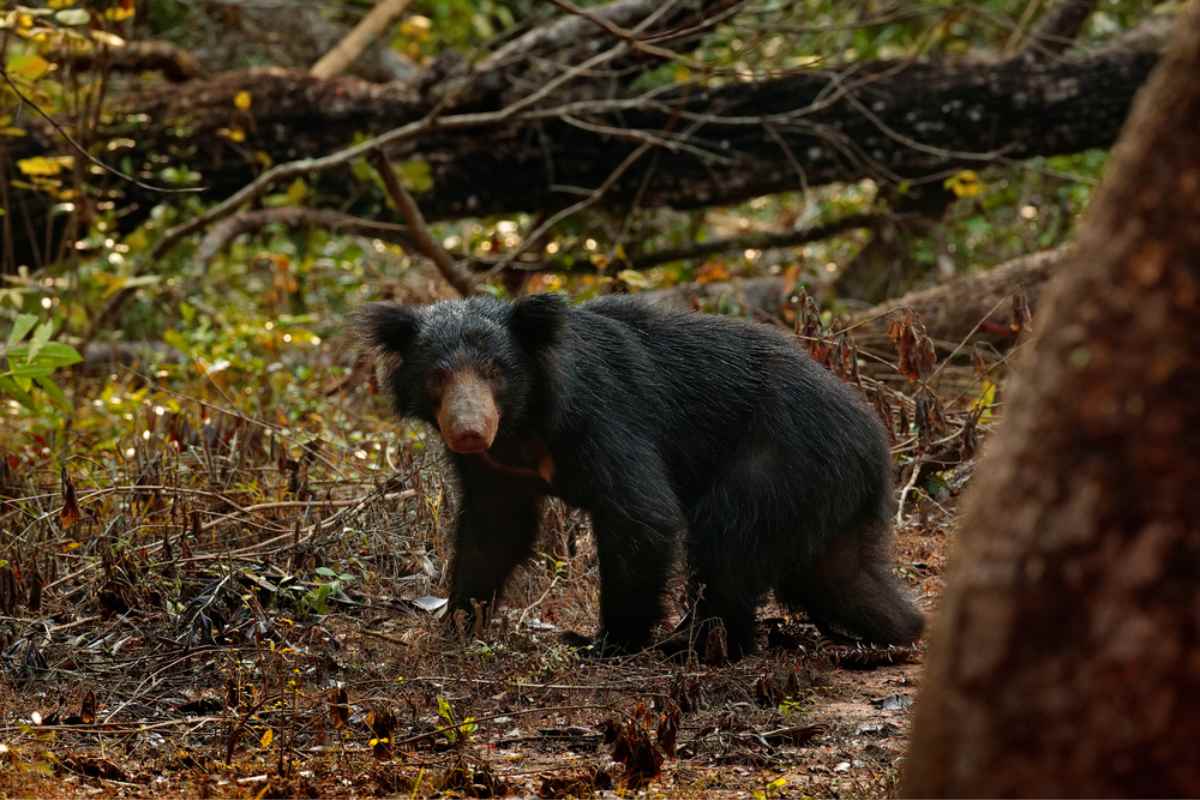
Sloth Bears

Sri Lankan sloth bear walking through dry forest vegetation
The Sri Lankan sloth bear is a rare and elusive species, mostly found in dry-zone forests.

The Sri Lankan Sloth Bear (Melursus ursinus inornatus) is a subspecies of the sloth bear found primarily in the lowland dry forests of Sri Lanka. This bear is one of the island’s most elusive mammals and is considered a highly prized sighting on safari.

Sloth bears are easily recognised by their shaggy black coat and the distinctive white or cream-coloured “V” or “Y” shaped marking on their chest. Compared to the Indian subspecies, Sri Lankan sloth bears are generally smaller and have a more rugged, shaggy appearance.

These bears are omnivorous, feeding mainly on fruits, berries, honey, and insects— especially termites, which they extract using their powerful claws and specialised lips. Sloth bears are mostly nocturnal or crepuscular, making sightings more likely during early morning or late afternoon safaris.

The Sri Lankan sloth bear is currently listed as Vulnerable, facing ongoing threats from habitat loss, fragmentation, and poaching. Conservation of dry-zone forests is essential for the survival of this unique subspecies.

Best National Parks & Best Time to See Sloth Bears

Sloth bear sightings are seasonal and depend heavily on food availability. They are most commonly seen during periods when fruiting trees are abundant in dry-zone parks.

国立公園 訪問に最適な時期 Why It’s Ideal
ヤラ国立公園 May – July Higher sightings during Palu fruit season
ウィルパットゥ国立公園 May – August Dry forests and fruiting trees attract sloth bears

Tip: Sloth bears are sensitive to disturbance—quiet safaris and patience greatly improve your chances of a sighting.

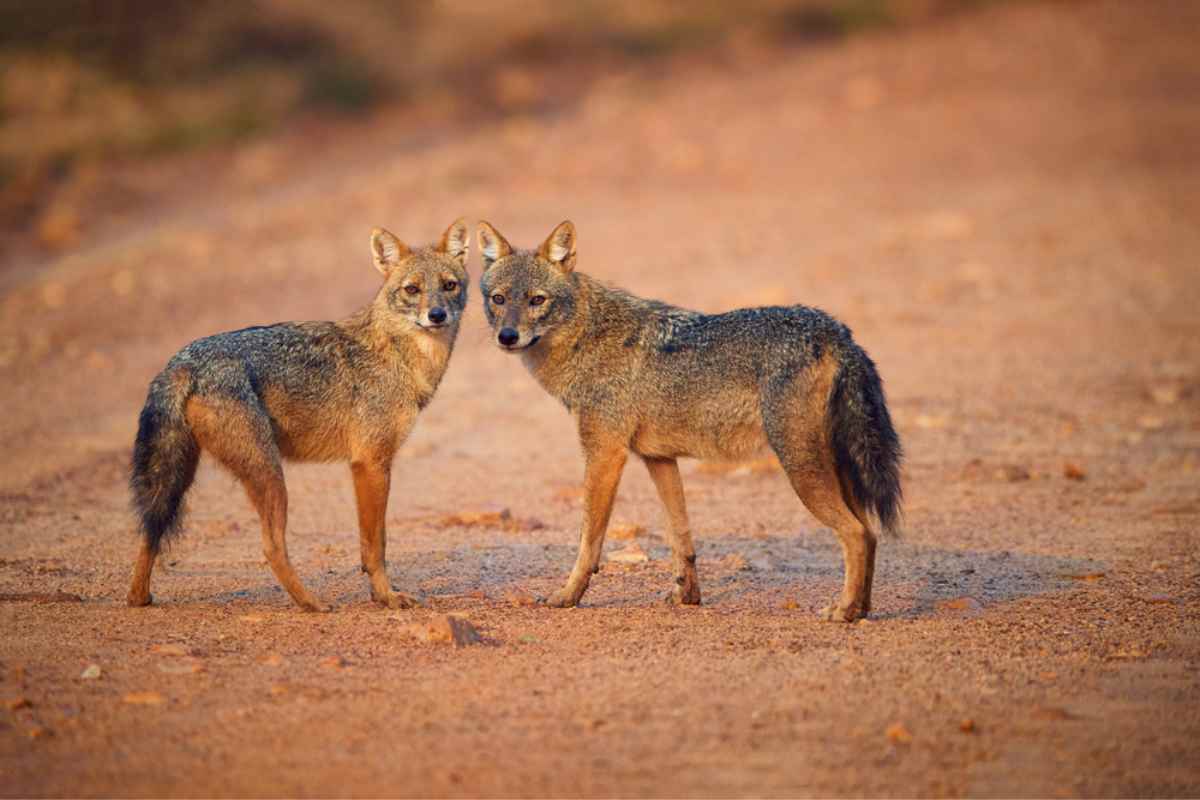
Golden Jackal

Golden jackal standing in open scrubland in Sri Lanka
Golden jackals are often seen in open scrubland, grasslands, and near water sources during safaris.

The Sri Lankan Jackal (Canis aureus naria) is a subspecies of the golden jackal native to Sri Lanka. Agile, alert, and highly adaptable, this medium-sized carnivore is commonly seen moving alone or in pairs across open landscapes and forest edges.

Sri Lankan jackals are easily recognised by their golden to rust-coloured coat, bushy tail, and distinctive black tip. They are opportunistic omnivores, feeding on small mammals, birds, reptiles, fruits, insects, and carrion.

Jackals are especially known for their vocal behaviour, with howling and yelping calls commonly heard at dusk and dawn. These calls help maintain territory and communication between individuals or pairs.

Ecologically, golden jackals play an important role as both scavengers and predators, helping to control rodent populations and clean up carrion, which contributes to ecosystem balance.

Best National Parks & Best Time to See Golden Jackals

Golden jackals are active throughout the year, but sightings are most frequent during early morning and late evening safaris when they are actively foraging.

国立公園 訪問に最適な時期 Why It’s Ideal
ヤラ国立公園 一年中 Open terrain and prey availability support strong jackal populations
ブンダラ国立公園 November – March Wetlands and open scrub attract jackals searching for food
ウィルパットゥ国立公園 February – October Forest edges and open spaces provide ideal hunting grounds
ウダワラウェ国立公園 一年中 Grasslands and water sources support frequent sightings

Tip: Listen for howling sounds at dawn or dusk—jackals often reveal their presence before they are seen.

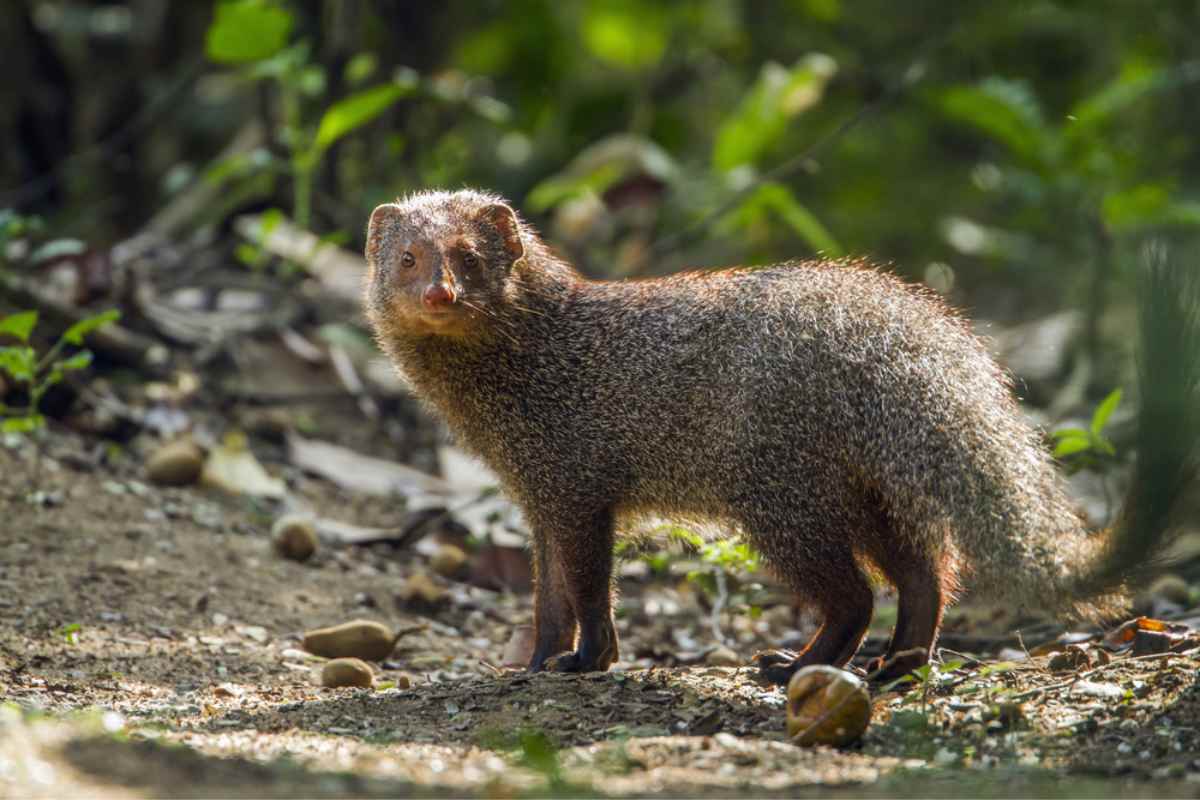
Indian Grey Mongoose

Indian grey mongoose standing alert in dry-zone habitat in Sri Lanka
The Indian grey mongoose is quick and alert, often seen darting through dry-zone scrub and forest edges.

The Indian Grey Mongoose (Herpestes edwardsii) is a small but highly skilled predator commonly found in Sri Lanka’s dry-zone habitats. It is easily recognised by its uniform grey, grizzled coat and long tail, and it is best known for its speed, agility, and sharp reflexes.

Mongooses are often spotted moving quickly along forest edges, grasslands, and scrub areas—sometimes pausing briefly to scan their surroundings before disappearing into cover. Although they are famed for confronting venomous snakes, they more commonly hunt rodents, lizards, insects, and small birds.

Despite their reputation for boldness in facing snakes, Indian grey mongooses are usually shy around humans and will avoid close contact. Their alert behaviour and quick escape responses make them an exciting safari sighting, especially for photographers.

Ecologically, this mongoose plays an important role in controlling rodent and snake populations, helping maintain balance in the ecosystems where it lives.

Best National Parks & Best Time to See Indian Grey Mongooses

Indian grey mongooses can be seen year-round in Sri Lanka’s dry-zone parks. They are most active during cooler hours—early morning and late afternoon—when they forage along the ground.

国立公園 訪問に最適な時期 Why It’s Ideal
ヤラ国立公園 一年中 Dry scrub and open areas support frequent ground sightings
ウダワラウェ国立公園 一年中 Open terrain makes fast-moving mongooses easier to spot
ウィルパットゥ国立公園 February – October Forest edges and sandy tracks are ideal mongoose habitat
ミネリヤ国立公園 July – October Active near forest lines and open patches during dry season
カウドゥラ国立公園 August – November Dry-zone conditions provide stable food sources for mongooses

Tip: Watch the ground near bushes and along tracks—mongooses often appear suddenly and move fast. Keep your camera ready.

Sri Lankan Junglefowl

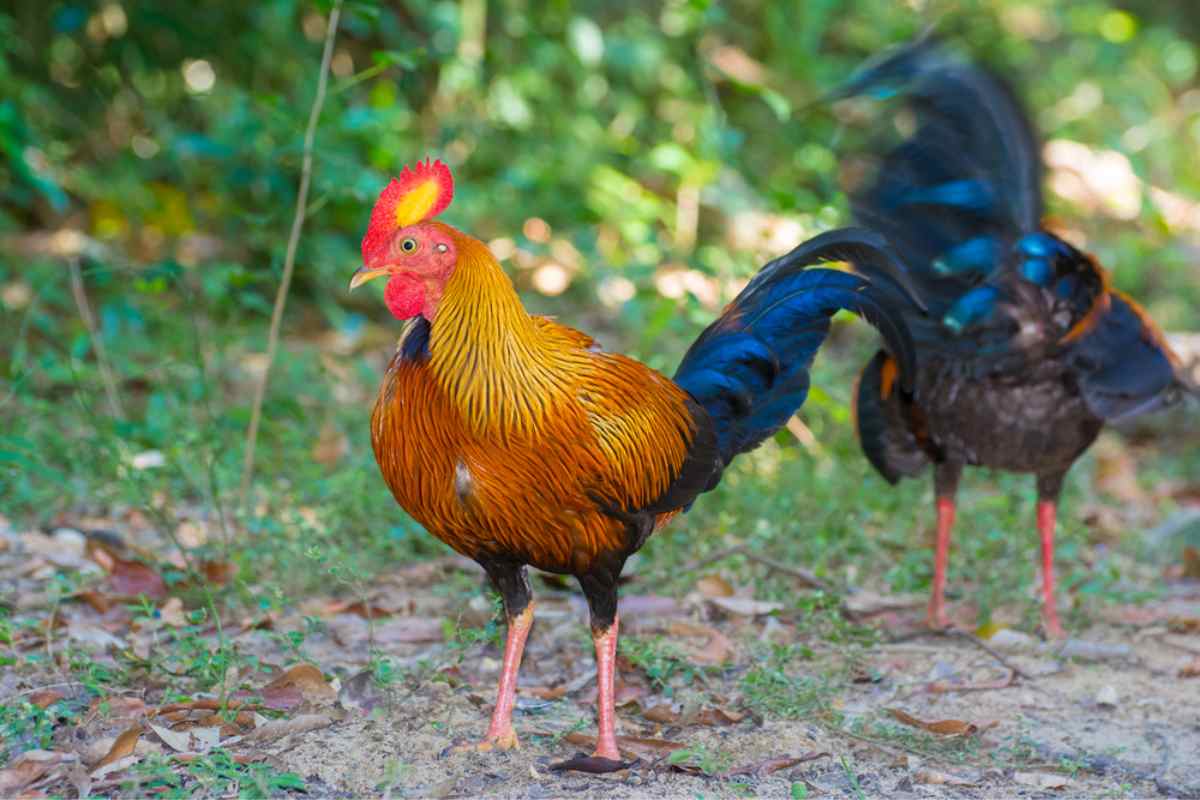
Male Sri Lankan junglefowl standing on forest ground inside a national park
The Sri Lankan junglefowl is the national bird of Sri Lanka and is often seen along forest paths and clearings.

The Sri Lankan Junglefowl (Gallus lafayettii) is the national bird of Sri Lanka and an endemic species found nowhere else in the world. Closely related to the red junglefowl (Gallus gallus), it is one of the most colourful and recognisable birds encountered on safari.

Male junglefowl are especially striking, with glossy black plumage showing deep purple tones, a golden-yellow crown, and rufous-coloured wings. Females are more subtly coloured in shades of brown, allowing them to blend effectively into forest surroundings while nesting.

Sri Lankan junglefowl are ground-dwelling birds, commonly seen foraging along forest edges, trails, and clearings. Their diet consists of seeds, insects, fallen fruits, and small animals, making them important contributors to seed dispersal and ecological balance.

Although widespread and not currently endangered, the junglefowl depends on healthy forest habitats. Its presence is often an indicator of well-preserved natural environments within national parks.

Best National Parks & Best Time to See Sri Lankan Junglefowl

Sri Lankan junglefowl can be seen year-round across many national parks. They are most active during early morning and late afternoon when they forage on the forest floor.

国立公園 訪問に最適な時期 Why It’s Ideal
ヤラ国立公園 一年中 Frequently seen along forest tracks and clearings
ウィルパットゥ国立公園 February – October Forest cover provides ideal ground-foraging habitat
ウダワラウェ国立公園 一年中 Common sightings near forest margins and open areas
ミネリヤ国立公園 July – October Often seen near wooded areas during the dry season
カウドゥラ国立公園 August – November Forest-rich habitat supports healthy junglefowl populations

Tip: Look along forest paths and quiet clearings—junglefowl often appear suddenly while foraging on the ground.

Peacocks

Indian peafowl displaying vibrant tail feathers in Sri Lanka
Peacocks are easily recognised by their vibrant plumage and dramatic tail displays.

Peacocks in Sri Lanka, scientifically known as the Indian Peafowl (Pavo cristatus), are widespread and among the most visually striking birds seen on safari. They inhabit a wide range of environments, from dry-zone lowlands to wetter forested regions.

Male peacocks are famous for their brilliant blue and green plumage and spectacular tail display, which is primarily used during courtship. Females, known as peahens, are more subtly coloured, allowing them to blend into their surroundings for protection.

These birds typically roost in trees and forage on the ground during the day. Their diet includes seeds, fruits, insects, small reptiles, and amphibians, making them important contributors to pest control and overall ecological balance.

Beyond their ecological role, peacocks hold cultural significance in Sri Lanka and are widely regarded as symbols of beauty, grace, and heritage. Their presence adds both biodiversity and visual splendour to the island’s landscapes.

Best National Parks & Best Time to See Peacocks

Peacocks can be seen throughout the year in many regions of Sri Lanka. Sightings are most common during early morning and late afternoon when they are actively feeding and displaying.

国立公園 訪問に最適な時期 Why It’s Ideal
ヤラ国立公園 一年中 Common sightings in open scrublands and forest edges
ウダワラウェ国立公園 一年中 Peacocks frequently seen near grasslands and water sources
ミネリヤ国立公園 July – October High visibility during the dry season near forest margins
カウドゥラ国立公園 August – November Open areas and tree cover support frequent sightings
ウィルパットゥ国立公園 February – October Forest clearings and water sources attract peafowl

Tip: Peacocks are most active during cooler hours—early mornings often provide the best opportunities to see tail displays and feeding behaviour.

Black-winged Stilt

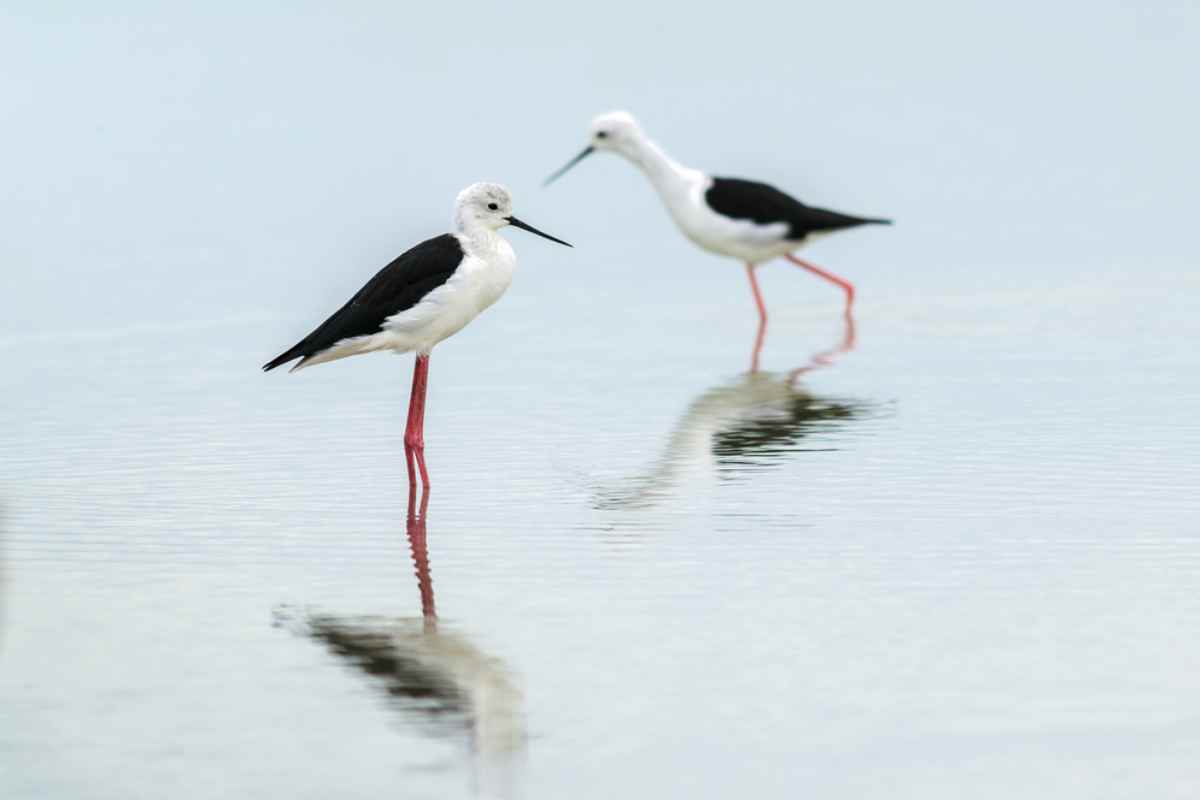
Black-winged stilt wading in shallow water in Sri Lanka
The Black-winged Stilt (“Kalapu Kirala”) is commonly seen wading in shallow wetlands and lagoons.

The Black-winged Stilt, locally known in Sri Lanka as “Kalapu Kirala”, is a slender, long-legged wading bird recognised by its black wings, white body, and striking red legs. The species’ scientific name is Himantopus himantopus.

This bird is a frequent sight in shallow waters such as lagoons, salt pans, marshes, and the edges of lakes. It feeds on small aquatic organisms including insects, larvae, tiny crustaceans, and other invertebrates—helping control prey populations within wetland ecosystems.

In Sri Lanka, black-winged stilts commonly breed in the dry zone, often around 7月, forming small colonies in open wetland areas. Their presence is an excellent sign of healthy wetland biodiversity and balanced aquatic habitats.

For safari travellers, the black-winged stilt is an easy and rewarding bird to observe thanks to its distinctive shape, calm wading behaviour, and preference for open, visible shallow-water environments.

Best National Parks & Best Time to See Black-winged Stilts

Wetland parks and areas with lagoons provide the best chances of sightings. Migratory and breeding seasons can increase numbers, while early morning and late afternoon offer the best light for birdwatching.

国立公園 訪問に最適な時期 Why It’s Ideal
ヤラ国立公園 November – March Wetlands and lagoons attract many wading birds
ウダワラウェ国立公園 一年中 Reservoir edges and shallow water areas support wading birds
ミネリヤ国立公園 July – October Shallow reservoir zones become active for wetland birds
カウドゥラ国立公園 August – November Water bodies attract waders during dry-season concentration
ウィルパットゥ国立公園 February – October Villu lakes create suitable shallow wetland feeding zones

Tip: Look for stilts in calm, shallow water—especially in the morning when feeding activity is higher and photography light is softer.

Great Egret

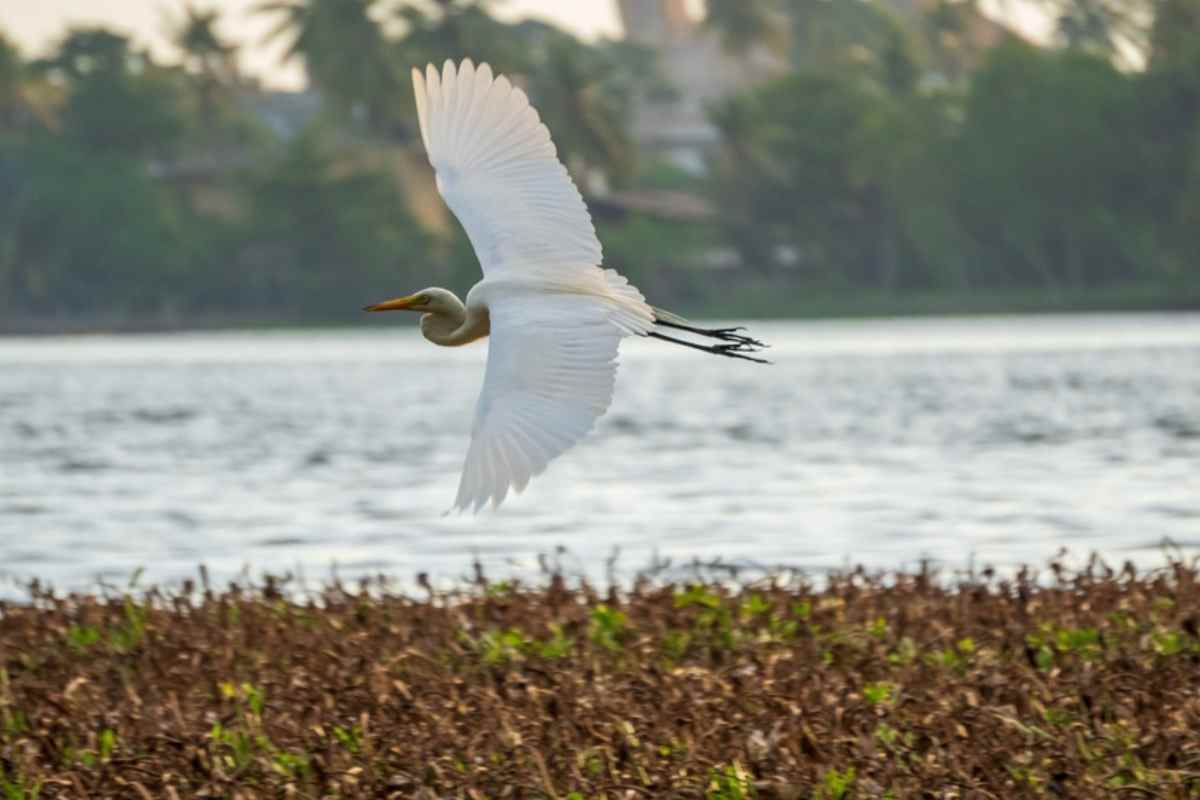
Great egret standing in shallow water near a wetland in Sri Lanka
The Great Egret is a common wetland bird in Sri Lanka, often seen wading slowly in shallow water.

The Great Egret (Ardea alba)—also known in older references as Casmerodius albus—is a widespread wetland bird in Sri Lanka. It is commonly found in lagoons, marshes, reservoirs, and along the edges of lakes and rivers, making it a frequent and rewarding safari sighting.

This large white egret is easy to identify by its elegant long neck, bright yellow bill, and black legs and feet. Great egrets often move slowly and patiently through shallow water, scanning for prey before striking quickly.

Their diet includes fish, frogs, and other small aquatic animals. They are sometimes seen feeding near other wading birds and egrets, especially in productive wetlands where food is abundant.

Because great egrets depend on healthy wetlands and clean water, their presence is often considered an indicator of a strong aquatic environment and balanced ecosystem.

Best National Parks & Best Time to See Great Egrets

Great egrets can be seen year-round in Sri Lanka’s wetland-rich parks. Early morning and late afternoon provide the best birdwatching conditions and soft light for photography.

国立公園 訪問に最適な時期 Why It’s Ideal
ヤラ国立公園 November – March Lagoons and wetland edges attract many wading birds
ウダワラウェ国立公園 一年中 Reservoir shorelines create ideal shallow feeding zones
ミネリヤ国立公園 July – October Water levels attract waders along reservoir margins
カウドゥラ国立公園 August – November Wetland areas support frequent egret sightings
ウィルパットゥ国立公園 February – October Villu lakes offer excellent habitat for aquatic birds

Tip: Watch for slow, steady movement in shallow water—great egrets often freeze briefly before a fast strike at prey.

Common Kingfisher

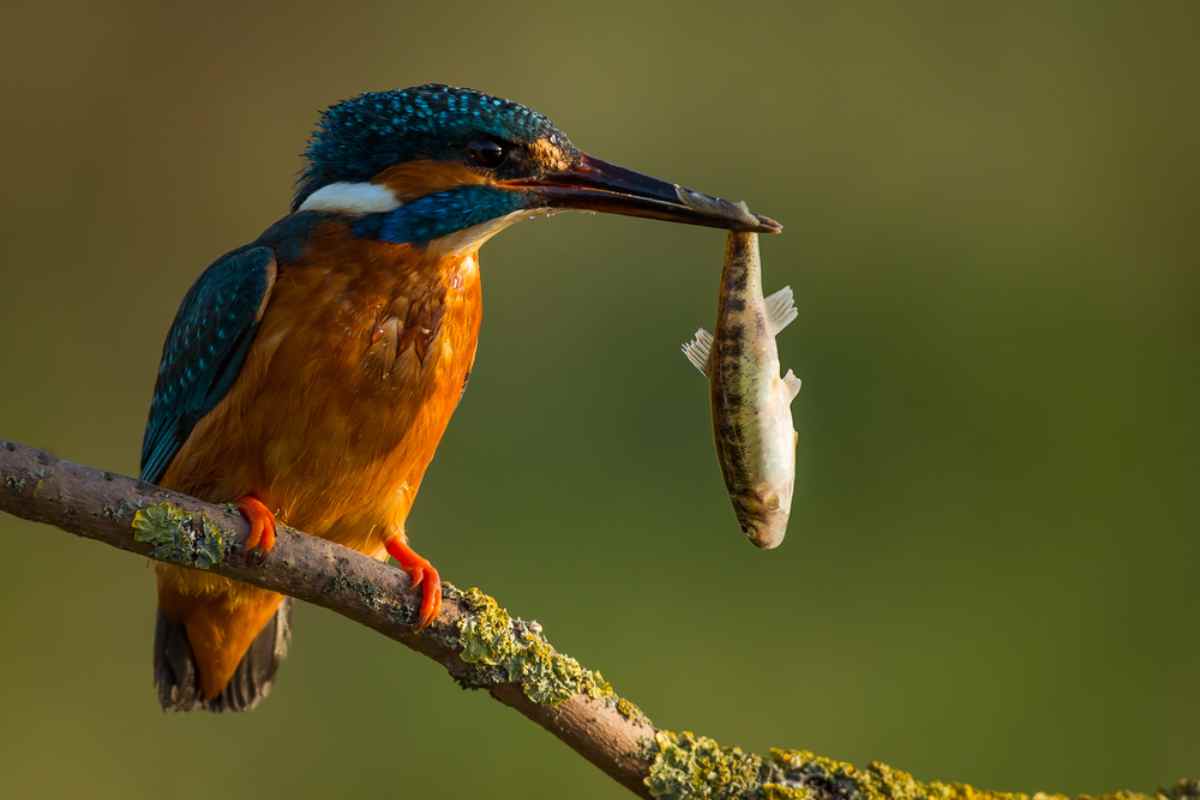
Common kingfisher perched near water in Sri Lanka
The Common Kingfisher is easily recognised by its brilliant blue-and-orange plumage.

The Common Kingfisher (Alcedo atthis) is a small yet striking bird frequently seen near freshwater and coastal habitats across Sri Lanka. Its vivid blue upperparts and bright orange underparts make it one of the most colourful birds encountered on safari.

This species is commonly found along rivers, lakes, reservoirs, mangroves, estuaries, and even coastal lagoons. The common kingfisher is famous for its precise hunting technique—perching patiently before diving headfirst into the water to catch small fish.

Despite its small size, the common kingfisher is a highly efficient predator. Its presence across a wide range of water bodies reflects both its adaptability and the richness of Sri Lanka’s aquatic ecosystems.

For birdwatchers, spotting a kingfisher in action is often a highlight, as its rapid dives and flashes of colour create unforgettable safari moments.

Best National Parks & Best Time to See Common Kingfishers

Common kingfishers can be seen year-round wherever clean, fish-rich water bodies exist. Early morning and late afternoon offer the best opportunities for sightings and photography.

国立公園 訪問に最適な時期 Why It’s Ideal
ヤラ国立公園 November – March Lagoons and streams attract fish and hunting kingfishers
ウダワラウェ国立公園 一年中 Reservoir edges provide excellent perching and feeding spots
ミネリヤ国立公園 July – October Water levels expose shallow fishing zones
カウドゥラ国立公園 August – November Wetland habitats support abundant fish populations
ウィルパットゥ国立公園 February – October Villu lakes create calm feeding environments

Tip: Watch for a small bird perched quietly above water—kingfishers often sit still before making a sudden dive.

Dolphins and Whales

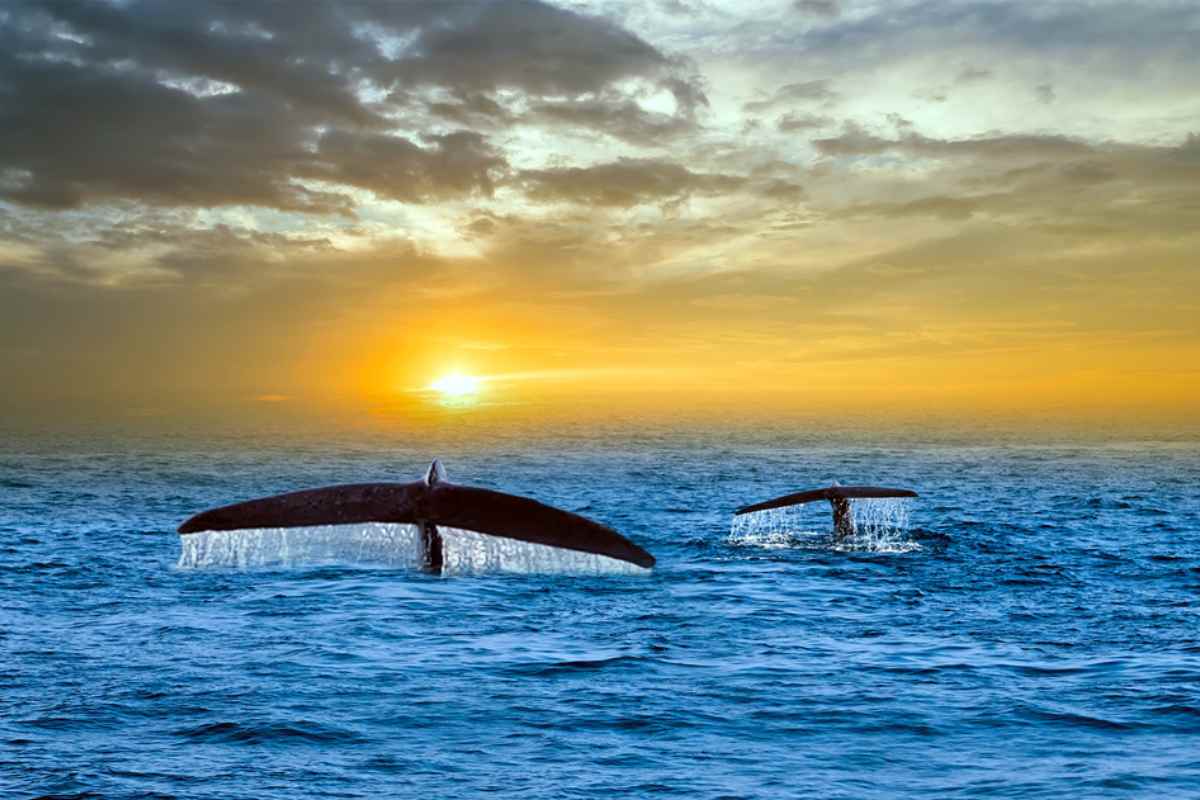
Whales surfacing in the ocean during a whale watching tour in Sri Lanka
Sri Lanka is one of the best places in Asia to spot whales and dolphins, including blue whales in season.

Sri Lanka is renowned for its marine biodiversity, especially the chance to see whales and dolphins in the wild. Several iconic cetaceans are recorded around the island, including the Blue Whale (Balaenoptera musculus), Sperm Whale (Physeter macrocephalus), and the Spinner Dolphin (Stenella longirostris).

These species are a major attraction for eco-tourism and also play an important role in marine ecosystem dynamics. Responsible whale watching and stronger conservation are important because threats can include ocean pollution, ship strikes, and entanglement in fishing gear.

Best Places & Best Time to See Dolphins and Whales in Sri Lanka

Whale watching in Sri Lanka is often “seasonal by coast”—when the south-west is calm, the east coast can be the better option. These windows are commonly recommended for the best sea conditions and sightings.

Whale Watching Area ベストタイム What You Can See
Mirissa (South Coast) December – March (often into April) Blue whales (most targeted), plus dolphins; occasional sperm/Bryde’s whales
Trincomalee (East Coast) March – July Blue whales in season; sperm whales sometimes; large dolphin pods
Kalpitiya (North-West Coast) Best on calmer sea months (commonly Nov – Apr) Dolphins are a major highlight; whales sometimes offshore

Tip: Choose operators that keep distance, avoid chasing, and limit time around animals—ethical tours usually create better sightings and safer behaviour for whales and dolphins.

Sea Turtles

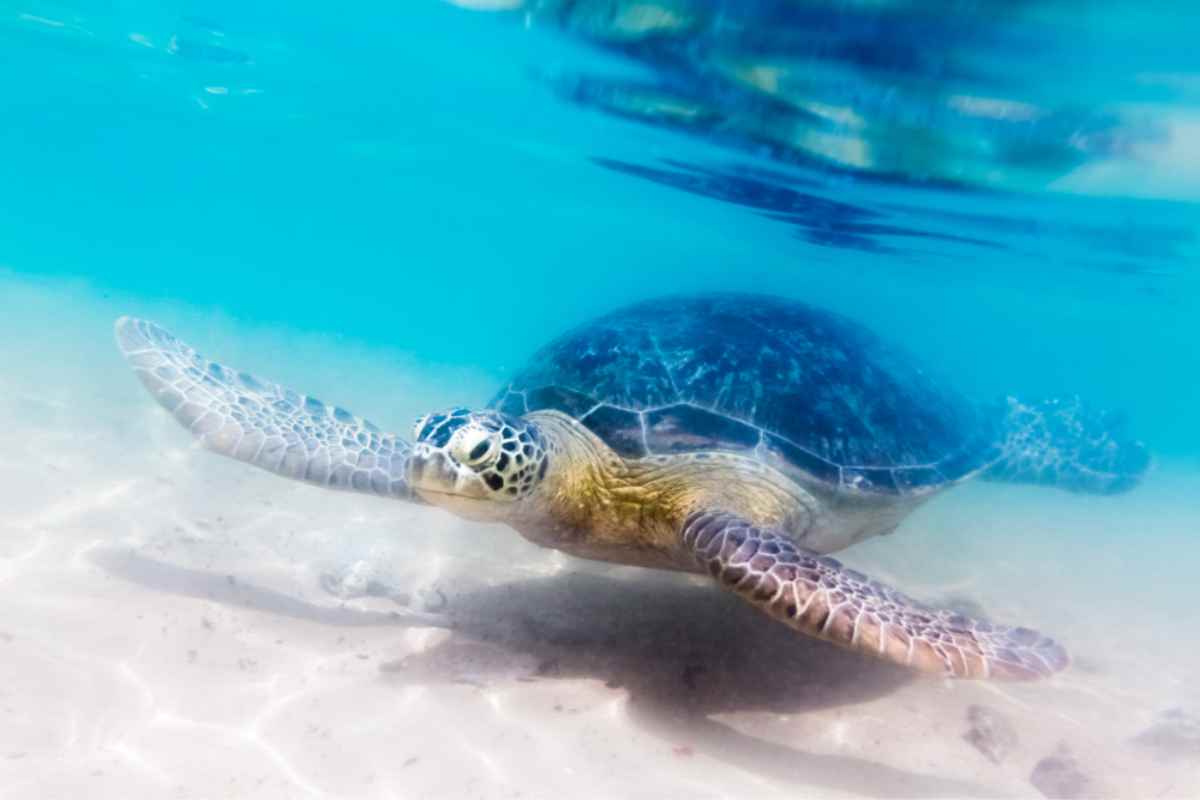
Sea turtle swimming in clear ocean water near Sri Lanka
Sri Lanka is one of the most important nesting and feeding grounds for sea turtles in the Indian Ocean.

Sri Lanka is a vital habitat for sea turtles and supports five of the world’s seven sea turtle species. These include the Green Turtle (Chelonia mydas), Loggerhead Turtle (Caretta caretta), Hawksbill Turtle (Eretmochelys imbricata), Leatherback Turtle (Dermochelys coriacea), and the Olive Ridley Turtle (Lepidochelys olivacea).

The island’s sandy beaches play a crucial role as nesting sites, where female turtles come ashore to lay their eggs. After hatching, the young turtles make their journey to the ocean, one of the most vulnerable stages of their life cycle.

Numerous conservation projects across Sri Lanka focus on protecting nesting beaches, relocating eggs to hatcheries when necessary, and educating local communities. These efforts are essential due to ongoing threats such as habitat loss, plastic pollution, coastal development, and accidental capture in fishing gear.

Sea turtles play a key role in maintaining healthy marine ecosystems—helping balance seagrass beds and coral reefs—making their protection critical for long-term ecological stability.

Best Places & Best Time to See Sea Turtles in Sri Lanka

Sea turtles can be seen year-round in Sri Lankan waters, but nesting activity varies by location and season. Night-time beach walks and responsible turtle-watching tours offer the best chances of sightings.

位置 ベストタイム What You Can See
Rekawa Beach (South Coast) Year-round (peak nesting varies) Green, Olive Ridley, and Hawksbill turtles nesting
Kosgoda & Bentota 11月~4月 Green and Hawksbill turtles; conservation hatcheries
Pigeon Island & East Coast Waters April – September Swimming turtles near coral reefs
Kalpitiya Coast 11月~4月 Occasional turtle sightings during dolphin tours

Tip: Always follow ethical turtle-watching guidelines—avoid flash photography, keep a safe distance, and never touch nesting turtles or hatchlings.

Birdlife in Sri Lanka

Sri Lanka is one of the best birdwatching destinations in Asia, thanks to its diverse ecosystems, ranging from rainforests and wetlands to dry-zone scrublands and coastal lagoons. The island is home to over 430 recorded bird species, including a significant number of endemics found nowhere else in the world.

National parks, forest reserves, and wetlands across Sri Lanka support an incredible variety of birdlife. From colourful kingfishers and elegant egrets to raptors, waterbirds, and forest specialists, birdwatchers can enjoy rewarding sightings throughout the year.

Sri Lanka is also located along major migratory routes, welcoming thousands of migratory birds from northern regions during the winter months. Wetlands such as lagoons, reservoirs, and coastal marshes become especially active during this season.

Whether you are a dedicated birder or a casual safari traveller, exploring Sri Lanka’s birdlife adds a unique and enriching dimension to any wildlife experience. For a detailed guide to top birding destinations, visit: Best Places for Bird Watching in Sri Lanka .

Marine Wildlife

Sri Lanka is surrounded by the Indian Ocean and is one of the richest marine biodiversity hotspots in South Asia. Its coastal waters, coral reefs, lagoons, and deep-sea canyons support a wide variety of marine life, making the island a prime destination for marine wildlife experiences.

From majestic whales and playful dolphins to sea turtles, reef fish, and invertebrates, Sri Lanka’s marine ecosystems offer unforgettable encounters both above and below the surface. Coral reefs and seagrass beds play a crucial role in supporting this biodiversity by providing food, shelter, and breeding grounds for countless species.

Marine wildlife sightings vary by region and season, with different coastlines offering unique opportunities throughout the year. Calm seas, responsible tourism practices, and guided excursions help ensure safe and sustainable encounters with marine animals.

Protecting Sri Lanka’s marine life is increasingly important as ocean pollution, climate change, overfishing, and coastal development place growing pressure on fragile marine ecosystems. Conservation efforts and responsible travel choices help preserve these underwater environments for future generations.

Safari Types in Sri Lanka

Sri Lanka offers a variety of safari experiences, allowing travellers to explore wildlife in different landscapes and environments. From classic jeep safaris in national parks to marine and birdwatching safaris, each type provides a unique way to experience the island’s rich biodiversity.

Jeep Safaris

Jeep safaris are the most popular way to explore Sri Lanka’s national parks. Conducted in open 4x4 vehicles with experienced guides, these safaris allow visitors to spot elephants, leopards, deer, bears, and a wide range of bird species. Morning and evening safaris are ideal due to cooler temperatures and increased animal activity.

Birdwatching Safaris

Birdwatching safaris focus on Sri Lanka’s diverse avian life and are popular in wetlands, forests, and protected reserves. These safaris are often slower-paced and may be conducted on foot, by boat, or using safari vehicles, depending on the location.

Boat Safaris

Boat safaris offer a quieter way to observe wildlife, especially in wetlands, rivers, and lagoons. They are ideal for spotting water birds, crocodiles, and other aquatic species while minimising disturbance to animals.

Marine Safaris

Marine safaris take place along Sri Lanka’s coastline and focus on dolphins, whales, and sea turtles. These excursions are seasonal and depend on sea conditions, making timing and responsible operators especially important.

Walking Safaris

In selected protected areas and buffer zones, guided walking safaris provide an immersive experience. These safaris focus on tracking, plants, insects, and smaller wildlife, offering deeper insight into ecosystems rather than large animal sightings.

Frequently Asked Questions About Safaris in Sri Lanka

What is the best time to go on a safari in Sri Lanka?

The best time for a safari depends on the region. Dry-season months generally offer better wildlife sightings as animals gather around water sources. National parks in the south and dry zone are best visited from February to July, while the east coast is ideal from March to September.

Which national park is best for seeing elephants?

Udawalawe National Park is the most reliable place to see elephants year-round. Minneriya and Kaudulla National Parks are famous for large seasonal gatherings during the dry months from July to October.

Where can I see leopards in Sri Lanka?

Yala National Park has one of the highest leopard densities in the world, making it the best place for sightings. Wilpattu National Park also offers leopard encounters in a quieter, forested setting.

Are safaris in Sri Lanka safe?

Yes, safaris in Sri Lanka are generally safe when conducted with licensed guides and park-approved safari operators. Visitors must follow park rules, remain inside vehicles, and avoid disturbing wildlife.

What animals can I commonly see on a safari?

Common sightings include elephants, deer, monkeys, wild boar, buffalo, crocodiles, and a wide variety of birds. Leopards, sloth bears, and other rare species may also be spotted with patience and good timing.

Can children join a safari in Sri Lanka?

Yes, children can join most safaris. Morning safaris are often more comfortable for families, and parks like Udawalawe are especially suitable due to easy wildlife viewing and shorter drives.

Do I need to book a safari in advance?

It is recommended to book safaris in advance, especially during peak travel seasons. Pre-booking ensures vehicle availability, experienced guides, and preferred time slots.

What should I wear on a safari?

Wear light, neutral-coloured clothing, comfortable footwear, a hat, and sunscreen. Early morning safaris can be cool, so bringing a light jacket is advisable.

Responsible Safari & Conservation

Experiencing wildlife in Sri Lanka is a privilege, and responsible safari practices are essential to protect animals and their natural habitats. Ethical tourism helps ensure that wildlife continues to thrive while allowing future generations to enjoy the same extraordinary experiences.

Responsible safaris prioritise animal welfare by maintaining safe distances, avoiding loud noises, and never feeding or provoking wildlife. Following park regulations and respecting the guidance of trained safari guides helps minimise stress on animals and reduces human–wildlife conflict.

Conservation plays a vital role in safeguarding Sri Lanka’s biodiversity. National parks, marine reserves, and protected areas exist to preserve ecosystems that support elephants, leopards, birds, marine life, and countless other species. Sustainable tourism contributes directly to conservation funding and local community livelihoods.

Visitors can support conservation by choosing licensed safari operators, avoiding single-use plastics, respecting nesting sites, and supporting ethical wildlife projects. Simple actions—such as proper waste disposal and responsible photography—can make a significant positive impact.

By practising responsible safari tourism, travellers help protect Sri Lanka’s unique wildlife while ensuring that nature remains balanced, resilient, and preserved for the future.

Ravindu Dilshan Illangakoon の写真

ラヴィンドゥ・ディルシャン・イランガコーン

Sri Lanka Travel Pages の共同設立者兼コンテンツ責任者として、私は私たちが公開するすべてのブログ投稿が素晴らしいものになるように努めています。.

コメントを残す

メールアドレスが公開されることはありません。 が付いている欄は必須項目です


 /; 

サインイン

メッセージを送信

お気に入り