
Tissamaharama Raja Maha Vihara
-
Tempio buddista
-
Storia e cultura
-
Natura
-
Luogo religioso
Descrizione
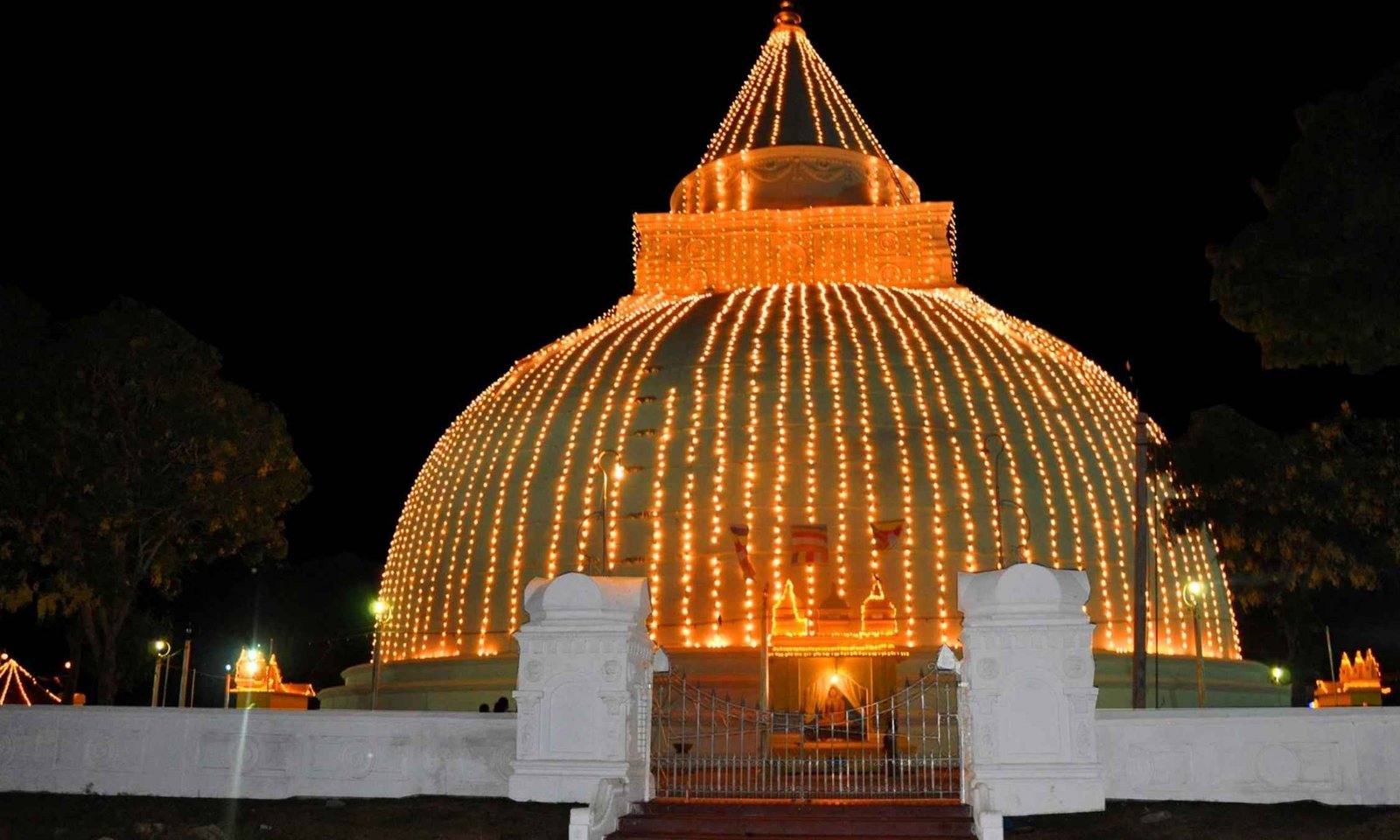
The Tissamaharama Raja Maha Vihara is one of the most essential and ancient Buddhist temples in Sri Lanka, located in the historic town of Tissamaharama in the Southern Province. Established soon after the arrival of Arhant Mahinda Thera in the 3rd century B.C., it was among the four great Buddhist monasteries of the island. For centuries, the monastery served as a leading centre of Buddhist education and culture in southern Sri Lanka, flourishing until the 11th century A.D. The magnificent Tissamaharama Dagoba, within the temple premises, stands as one of the largest stupas in the country, symbolising both architectural grandeur and deep spiritual significance. The temple continues to be an active place of worship and pilgrimage, drawing devotees and visitors alike. Today, its spiritual and administrative leadership is guided by Ven: Devalegama Dhammasena Nayaka Thera, the present chief incumbent.
Maggiori dettagli su questa attrazione
Ancient Temple
Cultural Heritage
Panoramica
Fatti rapidi
Storia e significato
Architecture & Highlights
Rituals & Etiquette
Visiting Tips
Come arrivare
Miglior momento
Nelle vicinanze
Domande frequenti
Overview: A Landmark of Ruhuna’s Buddhist Heritage
Tissamaharama Raja Maha Vihara is one of Sri Lanka’s most important ancient temples. Founded soon after the arrival of Arahant Mahinda Thera (3rd century BCE), it became a premier monastic learning centre in southern Sri Lanka until the 11th century CE. The famed Tissamaharama Dagoba—among the island’s largest stupas—continues to draw pilgrims and travellers alike.
Fatti rapidi
- Posizione: Tissamaharama, Hambantota District • Near Tissa Wewa
- Era & Heritage: Established 3rd century BCE • One of the four great monasteries
- Periodo migliore per la visita: Sunrise / Sunset (cooler, daily rituals)
- Typical Duration: 45–90 minutes (stupa, shrine, photo stops)
- Leadership: Present chief incumbent – Ven. Devalegama Dhammasena Nayaka Thera
Storia e significato
As a leading monastery of ancient Ruhuna, the vihara nurtured scholarship and the spread of Theravada Buddhism with strong royal patronage. Its legacy as a centre of learning spanned from the 3rd century BCE to the 11th century CE.
The monumental Tissamaharama Dagoba embodies architectural elegance and deep devotion, standing as a symbol of the region’s religious and cultural identity.
Architecture & Highlights
- Main Stupa: One of the largest in Sri Lanka; broad terraces and striking white dome.
- Shrines & Bodhi Area: Quiet courtyards for offerings and meditation.
- Lake Setting: Proximity to Tissa Wewa creates scenic sunrise/sunset views.
Rituals & Etiquette
- Daily pooja: Morning and evening (times vary).
- Dress modestly: Cover shoulders and knees; remove hats and footwear.
- Respect worship: Keep voices low; avoid obstructing rituals.
Visiting Tips
- Photography: Allowed outdoors; avoid flash during pooja.
- Donations: Entry typically free; contributions support upkeep.
- Comfort: Bring water and sun protection for midday heat.
Come arrivare e muoversi
- Su strada: Central Tissamaharama; ~30 minutes from Kataragama.
- By bus/taxi: Regular services to town; short tuk-tuk to the temple.
- Combine: Easy to pair with a Tissa Wewa walk or Kataragama visit.
Periodo migliore per visitare
Sunrise and sunset offer cooler temperatures, soft light for photography, and the chance to observe daily rituals with fewer crowds.
Attrazioni nelle vicinanze
- Tissa Wewa (ancient reservoir)
- Kataragama Sacred City
- Yala National Park (day trips)
Domande frequenti
C'è un biglietto d'ingresso?
Are photos allowed?
What should I wear?
Periodo migliore per visitare
-
Tutto l'anno
Punti salienti
-
Ingresso gratuito
-
Parcheggio disponibile
-
Tempo richiesto per l'esplorazione: mezza giornata