

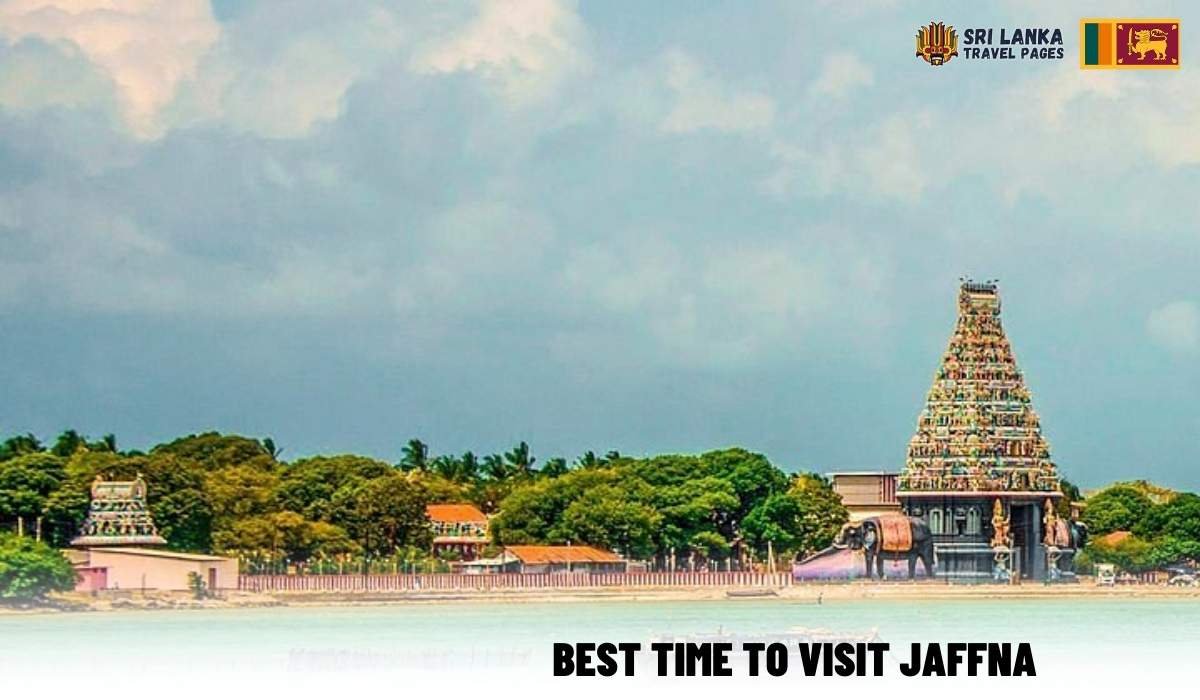
游览贾夫纳的最佳时间
The best time to visit Jaffna, Sri Lanka, largely depends on the type of experience you’re looking for. Jaffna, known for its rich Tamil culture, historic temples, vibrant markets, and serene coastal beauty, can be visited year-round, but the most favorable time is generally during the dry season from January to September.
Dry Season (January to September): These months offer warm, sunny days with minimal rainfall, making them perfect for sightseeing, visiting iconic landmarks like Nallur Kandaswamy Kovil, and enjoying Jaffna’s beautiful islands such as Delft and Karainagar. Calm weather also makes it easier to explore the Jaffna Lagoon, cycle through rural villages, and attend local festivals. This is considered the peak travel period, so you can expect a lively cultural atmosphere, bustling markets, and more events.
Monsoon Season (October to December): From October to December, the northeast monsoon brings more frequent rains and occasional storms. While heavy showers can affect outdoor activities, they also bring a refreshing green landscape to the region. This off-peak period offers a quieter experience with fewer tourists, lower accommodation rates, and a chance to enjoy Jaffna’s slower pace of life.
In conclusion, for the best weather and vibrant cultural experiences, visiting Jaffna from January to September is ideal. For travelers seeking a peaceful, less crowded getaway with lush surroundings, the monsoon months can still offer a rewarding trip.
📅 Best Time to Visit Jaffna – Month-by-Month Guide
📍 概览
贾夫纳, located in the northern tip of Sri Lanka, is renowned for its rich Tamil heritage, historic temples, stunning islands, and unique cuisine.
🌞最佳旅游时间
January to September: Dry season with warm, sunny weather, ideal for sightseeing, exploring islands, and enjoying cultural festivals.
🎉 Festival Season
August: Best month to witness the grand Nallur Kandaswamy Kovil festival, a vibrant cultural celebration.
🌿 过渡季节
September: Still warm with fewer crowds, offering a relaxed atmosphere and better deals on hotels and tours.
🌧️ 雨季
October to December: The northeast monsoon brings heavier rains, but the region turns lush and green, perfect for slow-paced cultural exploration.
📊 图表图例
- 🌞 Green (Jan–Sep): Best weather for sightseeing and outdoor activities.
- 🌿 Yellow (Sep): Warm, less crowded, and budget-friendly.
- 🌧️ Orange (Oct–Dec): Monsoon rains, off-peak period with lush scenery.
🌴 Overview of Jaffna’s Climate
Jaffna, located at the northern tip of Sri Lanka, enjoys a predominantly warm, tropical climate year-round, making it an inviting destination for cultural exploration and coastal getaways. Temperatures generally range between 26°C and 33°C, offering ideal conditions for sightseeing, temple visits, island hopping, and savoring authentic Jaffna cuisine. The region experiences a distinct dry season and monsoon season, each providing unique travel opportunities.
☀️ Dry Season (January – September)
This is widely regarded as the best time to visit Jaffna. The weather is predominantly sunny with minimal rainfall, making it perfect for exploring historical landmarks such as the Nallur Kandaswamy Kovil, visiting the Jaffna Fort, or enjoying the pristine islands like Delft and Karainagar. Sea conditions are calm, ideal for boat trips and beach visits. This period also includes vibrant cultural events, such as the grand Nallur Festival in August.
🌧️ Monsoon Season (October – December)
The northeast monsoon brings more frequent and sometimes intense rainfall, especially in November and early December. While outdoor exploration can be affected, the rain enhances the region’s lush green landscapes, creating a scenic backdrop for cultural and heritage tours. Fewer tourists during this time mean quieter attractions and lower accommodation prices, ideal for travelers seeking a relaxed pace.
🌡️ 温度和湿度
Jaffna maintains warm temperatures throughout the year, with cooler evenings that are pleasant for strolls along the lagoon or markets. Humidity tends to rise before monsoon showers but is balanced by gentle coastal breezes. Sea temperatures remain between 27°C 和 29°C, ensuring comfortable conditions for water-based activities for most of the year.
🌞 Peak Tourist Season – January to September
这段时期 一月至九月 标记 旅游旺季 in Jaffna, offering the most favorable conditions for sightseeing, cultural experiences, and coastal exploration. This is when the weather is warm, sunny, and generally dry, making it ideal for exploring temples, islands, and historic landmarks.
☀️ Ideal Sightseeing Weather
在这个季节,气温通常在 27°C 和 33°C, with minimal rainfall. The pleasant weather allows for visits to iconic attractions like Nallur Kandaswamy Kovil, Jaffna Fort, and the surrounding islands such as Delft and Karainagar. Clear skies and calm seas also make ferry rides and beach visits more enjoyable.
🏖️ Lively Cultural Atmosphere
The peak months bring a vibrant cultural scene, with local markets, street food stalls, and traditional performances attracting both domestic and international visitors. August, in particular, is a highlight due to the famous Nallur Festival, where the city comes alive with processions, music, and religious rituals.
📅 活动与庆典
January to September includes several notable events, from harvest festivals like Thai Pongal to religious celebrations and cultural gatherings. The Nallur Festival in August is the most significant, drawing thousands of devotees and tourists for nearly a month of traditional festivities.
💡 旅行小贴士
Since this is the busiest travel period, book accommodation and transportation in advance to secure the best options. Prices may be higher, especially around August during festival season. For a balance of good weather and fewer crowds, consider visiting in early January or late September.
🌤️ Shoulder Season – September
这 过渡季节 in Jaffna generally falls in 九月, marking the transition between the long dry period and the onset of the northeast monsoon. This month offers a pleasant blend of warm weather, fewer tourists, and more affordable rates compared to the busy festival months.
🌅 平衡天气
September in Jaffna sees warm temperatures averaging between 27°C 和 32°C, with mostly sunny days and occasional light showers. It’s a great time to explore cultural landmarks, enjoy scenic island trips, and visit local markets without the intense heat of the peak months.
🏖️ 人流较少
With the major festival season concluded, September offers a calmer atmosphere. Temples, beaches, and attractions are less crowded, allowing for a more relaxed pace while still enjoying Jaffna’s rich culture and coastal charm.
💰 更优惠的价格
Hotels and guesthouses often lower their prices during this month, and tour operators may provide discounts on excursions and guided tours. This makes it a good time for budget-conscious travelers who still want favorable weather conditions.
📅 非常适合混合体验
September is ideal for travelers who want a balance between cultural exploration and quiet downtime. Many restaurants, shops, and attractions remain open, but without the peak-season bustle. It’s also an opportunity to enjoy authentic local life and fresh seasonal produce from the Jaffna Peninsula.
🌤️ Jaffna Weather Overview (Season-by-Season)
Jaffna enjoys a warm tropical climate year-round, with temperatures typically ranging between 26°C and 33°C. The weather is shaped by a long dry season (January to September) with sunny skies and generally calm conditions, followed by the northeast monsoon (October to December) bringing heavier showers and lush landscapes. Below is a live weather update to help you plan your trip.
☀️ Dry Season (January – September)
Best for sightseeing, temple visits, and island trips. Expect mostly sunny days, low rainfall, and favorable sea conditions for ferries and beach time.
🌿 Shoulder Month (September)
Warm weather with fewer crowds and good value on stays and tours. Occasional light showers as seasons transition, but still great for exploring.
🌧️ Northeast Monsoon (October – December)
Heavier, more frequent rains and brief storms. Quieter travel period with greener scenery—ideal for slow-paced cultural trips and budget-friendly stays.
👣 Best Time for Sightseeing in Jaffna
Jaffna’s warm tropical climate makes it ideal for sightseeing most of the year, but the best conditions are during the dry season (January to August) when skies are clear and humidity is lower. 九月 offers a calmer 肩月 experience with fewer crowds, while 十月至十二月 brings lush greenery and quieter attractions during the northeast monsoon.
☀️ Jan – Aug (Best)
- Consistently sunny; perfect for temple visits and cultural tours.
- Ideal for island trips to Delft, Karainagar, and Kayts.
- Festival highlights in August, especially the Nallur Kandaswamy Kovil festival.
🌿 September (Shoulder)
- Warm, mostly sunny; light showers possible.
- Less crowded sites; great for photography and local market visits.
- Lower hotel rates and relaxed pace.
🌧️ Oct – Dec (Monsoon / Quiet)
- Lush greenery and peaceful atmosphere; intermittent heavy showers.
- Focus on indoor cultural sites and food experiences.
- Good for budget travelers seeking calm surroundings.
🗺️一日游最佳景点
- Nallur Kandaswamy Kovil: vibrant temple architecture & festivals.
- Jaffna Fort: history and panoramic views.
- Delft Island: wild ponies, coral walls, and quiet beaches.
- Point Pedro & Casuarina Beach: scenic northern coastline.
⏰ 一天中的最佳时间
Start sightseeing early morning (6:30–9:30 AM) or late afternoon (3:30–6:00 PM) to avoid the midday heat. Reserve midday for shaded cafes, museums, or rest breaks.
🧭观光小贴士
- Carry water, hat, and sunscreen; wear light, breathable clothing.
- For temples, dress modestly and remove footwear before entering.
- Check ferry timings for island visits to avoid delays.
- Hire a tuk-tuk or bike for short distances between attractions.
📅 按月查看(观光重点)
💙 Cheapest Time to Visit Jaffna
如果你旅行预算有限,那就选择…… off-peak northeast monsoon months (October–December) when demand drops and accommodation prices fall significantly. You’ll find quieter attractions, lush scenery, and frequent promotions on rooms and tours. For a balance between price and decent weather, consider the 肩月 的 九月 right before peak season.
🌧️ Off-Peak (Oct–Dec): Lowest Prices
- 酒店/宾馆: Deep discounts, free breakfast, or long-stay deals.
- 旅游及交通: Negotiable tuk-tuk rates; occasional tour promos to islands and cultural sites.
- 权衡: Intermittent heavy showers; plan more indoor and cultural activities.
🌿 Shoulder (September)
- 更实惠: Rates below peak with more stable weather than monsoon months.
- 人流较少: Easier access to temples, markets, and island ferries.
- 提示: Watch for occasional light showers; keep flexible plans.
💡 省钱妙招
- 直接预订 with guesthouses for perks like free breakfast or local tours.
- 延长停留时间: Weekly & monthly rates can reduce costs by 20–40%.
- 日期灵活: Travel mid-week to avoid local holiday surcharges.
- 食用当地食材: Try family-run eateries for affordable authentic Jaffna cuisine.
- 公共交通: Use buses/trains for cheap trips to Point Pedro, Karainagar, and Delft Island.
⚠️注意事项
- Some ferry services may be interrupted during heavy rains—check schedules in advance.
- Plan indoor visits (museums, temples) for rainy days.
- 建议在雨季购买旅行保险。.
🧭 经济实惠的创意
- Explore Jaffna Public Library & nearby historic sites (low-cost).
- Walk around Jaffna Fort for views and photo spots (free).
- Visit local markets for street snacks and fresh produce.
- Cycle to nearby villages and coastal viewpoints.
📅 价值日历(快速概览)
- 十月至十一月: Off-peak; frequent hotel promos.
- Dec: Early month still offers lower rates before New Year.
- September: Shoulder month; good value and decent weather.
- Jan–Aug: Peak; highest prices due to festivals and best weather.
🌿 Best Time for Nature & Greenery Lovers in Jaffna
If your ideal Jaffna getaway includes lush landscapes, island greenery, and the gentle rhythm of tropical rains, the northeast monsoon season (October–December) is your best bet. While this period brings more frequent showers, it transforms the peninsula into a vivid green paradise. Rural fields flourish, coastal vegetation thrives, and the reduced tourist presence creates a peaceful connection with nature.
🌧️ October – December: Peak Greenery
- 视觉吸引力: Paddy fields and coastal groves are at their most vibrant.
- 摄影: Dramatic skies and emerald-green backdrops across the peninsula.
- 野生动物: Migratory birds arrive at lagoons like Chundikkulam and Mandaitivu.
- 宁静祥和: Fewer visitors mean tranquil beaches and serene village landscapes.
🗺️ 雨季最佳自然景点
- Casuarina Beach: Calm, scenic stretches lined with pine-like casuarina trees.
- Delft Island: Open grasslands, wild ponies, and coral walls.
- Chundikkulam Lagoon: Birdwatching paradise during migratory season.
- Keerimalai Springs: Natural seaside freshwater springs surrounded by greenery.
💡 给自然爱好者的建议
- Carry a light raincoat or umbrella for sudden showers.
- Wear comfortable, quick-dry clothing for rural and island visits.
- Use insect repellent, especially near lagoons and paddy areas.
- Plan outdoor trips in the morning when rain chances are lower.
- Include cultural stops like temples for a balanced itinerary on rainy days.
📅 Secondary Option: Shoulder Month (September)
For those wanting a blend of green scenery and sunnier skies, 九月 is a great choice. It still offers rich greenery but with less frequent rain, making it easier to combine nature escapes with sightseeing around Jaffna’s cultural and historical landmarks.
⚠️ When to Avoid Visiting Jaffna
While Jaffna can be visited year-round, certain periods may not be ideal depending on your plans. The peak of the northeast monsoon (October–December) and major festival weeks can bring challenges such as heavy rainfall, transport delays, and overcrowding. Knowing these avoid periods can help you save money, reduce stress, and enjoy a smoother experience.
🌧️ Peak Monsoon Months (October–December)
- Frequent heavy rains and high humidity.
- Flooding in low-lying areas may affect travel routes.
- Ferry services to islands like Delft and Karainagar may be disrupted.
- Outdoor sightseeing can be limited due to poor weather conditions.
👥 Overcrowded Festival & Holiday Periods
- August (Nallur Festival): While culturally rich, expect large crowds, higher prices, and limited accommodation.
- 四月中旬: Tamil & Sinhala New Year brings busy markets, crowded transport, and festive noise.
- 长周末和佛诞日: Increased domestic tourism may make popular sites busy and lively.
💡 旅行替代方案
- If visiting during monsoon, focus on indoor cultural sites like museums, libraries, and temples.
- Plan short trips to markets, coastal forts, and urban areas when rain breaks occur.
- Stay in centrally located hotels to reduce travel time in wet conditions.
📅 避免经期的安全窗口
为了获得更好的条件,请朝着以下目标努力: shoulder month of September 或者 dry season from January to August, when the weather is more predictable and crowds are easier to manage.
📅 Month-by-Month Breakdown – Travel Conditions in Jaffna
| 月 | 天气 | 旅行贴士 |
|---|---|---|
| 一月 | 晴朗干燥 | Ideal for temple visits, cycling tours, and island trips |
| 二月 | 温暖干燥 | Perfect for exploring Jaffna Fort, beaches, and markets |
| 行进 | Hot, dry | Great for photography; carry water during outdoor trips |
| 四月 | Warm, mostly dry | Experience Tamil & Sinhala New Year celebrations and cultural events |
| 可能 | Hot, minimal rain | Visit islands like Delft before peak summer heat in June |
| 六月 | Hot, dry | Best for Casuarina Beach and Point Pedro coastline |
| 七月 | 温暖干燥 | Good for exploring temples and rural villages; low tourist traffic |
| 八月 | 温暖干燥 | Join the vibrant Nallur Kandaswamy Kovil Festival – book early |
| 九月 | 温暖的阵雨 | Shoulder month with fewer crowds and good hotel deals |
| 十月 | Start of NE monsoon | Expect more rain; focus on indoor cultural attractions |
| 十一月 | Rainy, lush landscapes | Best for birdwatching at Chundikkulam Lagoon; pack rain gear |
| 十二月 | Mixed weather, rain easing late | Quieter travel before January peak; enjoy greenery and cooler temps |
🛣️ How to Reach Jaffna, Sri Lanka
Jaffna sits at Sri Lanka’s northern tip and charms visitors with vibrant Tamil culture, historic temples, coastal lagoons, and quiet islands. Highlights include 纳鲁尔坎达斯瓦米神庙, 贾夫纳堡, 卡苏阿瑞纳海滩, , 和 代尔夫特岛.
Here’s how you can reach Jaffna from different parts of Sri Lanka:
✈️ 乘飞机
The nearest airport is Jaffna International Airport (JAF, Palaly), with limited domestic/international services at times. Many travelers arrive via 班达拉奈克国际机场 (BIA) near Colombo and continue to Jaffna by train, bus, or private car. Typical road/rail travel from BIA/Colombo takes 6–8 hours depending on traffic and schedules.
🚂 乘火车
Jaffna is on the 北线. 。 从 科伦坡堡, take a Jaffna- or Kankesanthurai-bound train and alight at 贾夫纳火车站. The journey usually takes about 6.5–8 hours with comfortable classes available (1st class air-conditioned and reserved 2nd class).
🚌 公路
Road travel follows the A1/A6/A9 corridors through the island’s interior. Intercity buses and private coaches run day and night; self-drive or taxis are also common. Expect 6–8 hours from Colombo, depending on stops and traffic.
🚖 Getting Around Jaffna
Use 嘟嘟车 for short hops, buses for towns and villages, or rental bikes/scooters for flexibility. For islands like Delft and Kayts, check ferry times in advance as services can vary with weather.
| 城市 | 距离 | 预计旅行时间 | 路线信息 |
|---|---|---|---|
| 科伦坡 | 约398公里 | 6–8 hours (A1/A6/A9) | |
| 阿努拉德普勒 | ~204 km | 3.5–4.5 hours | |
| 亭可马里 | ~237 km | 4.5-6小时 | |
| 康提 | 约340公里 | 6–7.5 hours |
🗺️ 互动地图
🧳 What to Pack for Jaffna
Packing for Jaffna depends on the season you visit, but as a hot and sunny northern city, lightweight clothing, sun protection, and cultural attire for temple visits are must-haves. Here’s a complete packing guide to make your trip comfortable and respectful to local customs.
👕 服装
- Lightweight, breathable clothes (cotton/linen) for hot weather
- Comfortable walking shoes or sandals for sightseeing
- Light shawl, scarf, or long-sleeved top for temple visits
- Casual evening wear for restaurants and cultural shows
- Light jacket or cardigan for cooler nights (especially during Dec–Jan)
🕶️防晒防雨
- 防晒霜(SPF 30 或更高)
- 防紫外线太阳镜
- Wide-brim hat or cap for shade
- Light rain jacket or poncho (especially during Oct–Dec monsoon)
- Compact umbrella for sudden showers
📸 必备用品及装备
- Camera or smartphone for photographing temples and landscapes
- Reusable water bottle to stay hydrated in the heat
- Light daypack for carrying essentials during island trips
- 旅行转换插头(斯里兰卡使用D型、M型和G型插头)
- Notebook or guidebook for jotting down cultural notes
💊 健康与安全
- 基本急救包(创可贴、消毒湿巾、止痛药)
- Insect repellent for evenings and rural areas
- Prescription medications for the full trip duration
- Hand sanitizer and wet wipes for on-the-go hygiene
💡额外提示
- Dress modestly when visiting temples—cover shoulders and knees.
- Carry small denominations of cash for tuk-tuks, markets, and local eateries.
- Pack light if you plan to take buses or trains, as storage space is limited.
- Bring a small dry bag if taking boat trips to nearby islands like Delft or Kayts.
🗺️ Interactive Map + Location — Jaffna
Explore Jaffna’s exact location, switch map styles, and jump to directions from Colombo, Kankesanthurai, Kilinochchi, or Mannar. Tap any button to update the map below.
📍地址及坐标
🚉 最近的交通枢纽
- 贾夫纳火车站 (Town center)
- Kankesanthurai Port/Railway (~20 km)
- A9公路 — main road link to the south
🏥 附近必需品
- ATMs & Banks — within Jaffna town
- Pharmacies & Hospitals — Jaffna General Hospital nearby
- Fuel & Parking — available on main A9 road
💡 地图提示
- 使用上面的按钮切换地标或显示路线。.
- 在地图上捏合/滚动即可缩放;拖动即可探索。.
- For live traffic, open the map in Google Maps and enable the traffic layer.
🏁 Choosing the Right Time – Jaffna
🎉 文化节相关内容: August (Nallur Kandaswamy Kovil Festival) & other Hindu/Christian celebrations
🌤️ For best sightseeing weather: January–September (dry season)
💰 对于预算有限的旅行者: October–December (northeast monsoon, off-peak)
✅ 务必检查 local festival dates 和 天气预报 before booking to make the most of your visit.
🔎 Search Hotels in Jaffna on Booking.com游览贾夫纳的最佳时间
Best Time to Visit JaffnaThe best time to visit Jaffna, Sri Lanka, largely depends on…