


Ceylon tea—grown across Sri Lanka’s mist-kissed highlands, mid-country slopes, and lush lowlands—is celebrated for its bright, lively cup, fragrant aroma, and remarkable regional diversity. Since the 19th century, Sri Lanka’s tea makers have refined a craft that pairs pristine terroir with meticulous hand-plucking and careful, time-tested processing, producing teas prized by enthusiasts and blenders worldwide.
What makes Ceylon tea globally renowned is its spectrum of character: a brisk, citrus-tinged freshness from high elevations; honeyed, floral delicacy from cool valleys; and richer, malty depth from the island’s southern gardens. This natural range—shaped by altitude, rainfall, and soil—delivers clarity in the liquor, a clean finish on the palate, and aromas that can hint at wildflower, eucalyptus, or warm spice. Rooted in heritage yet continually evolving, authentic Ceylon tea stands for integrity and origin, symbolised by Sri Lanka’s famed quality mark and a legacy of craftsmanship that still begins with a skilled picker’s hands.
Explore This Article
Jump to any section below to discover Ceylon tea’s heritage, craft, regions, health benefits, and modern trends.
- The Origins of Ceylon Tea
- The Tea Industry in Sri Lanka (Today & History)
- How Ceylon Tea is Grown and Processed
- Types of Ceylon Tea
- The Importance of Origin (Tea-Growing Regions)
- Tea & Tourism in Sri Lanka
- Health Benefits of Ceylon Tea
- Ceylon Tea Around the World
- Popular Ceylon Tea Brands
- Future of Ceylon Tea
- Infographics / Tables
The Origins of Ceylon Tea
The story of Ceylon tea begins in the 19th century, when pioneering planters—most famously James Taylor—experimented with tea in the cool, misty hills of central Sri Lanka. What started as small trials soon became a world-class industry, reshaping the island’s landscape, economy, and global identity.
19th-Century Beginnings
In 1867, James Taylor planted tea at Loolecondera Estate near Kandy, refining techniques in hand-plucking, rolling, and firing that would set the standard for quality. Early successes drew more British planters to the highlands, where altitude, gentle sun, and cool nights created ideal terroir.
From Coffee to Tea
A devastating coffee blight (Hemileia vastatrix) swept through the island in the late 1860s–1870s. As coffee estates failed, planters rapidly converted to tea. Factories, nurseries, and transport networks expanded, and tea became the resilient successor crop across upland districts.
Early Export Growth
By the 1880s–1890s, Ceylon tea was reaching global markets in volume. Steamship routes and auctions in London accelerated trade, while merchants such as Thomas Lipton popularised Ceylon’s bright, brisk style abroad. Within a generation, the island earned a reputation for consistent quality and distinctive flavour.
- 1867 James Taylor plants tea at Loolecondera, near Kandy.
- 1869–1870s Coffee blight catalyses the shift from coffee to tea.
- 1880s–1890s Export surge: Ceylon tea gains prominence in Europe & America.
The Tea Industry in Sri Lanka (Today & History)
Tea has been central to Sri Lanka’s economy and identity for over a century. From colonial beginnings to a modern, value-added export brand, the industry sustains livelihoods, anchors rural communities, and carries the island’s flavour to the world.
Top Buyers
- Iraq
- Turkey
- Russia
- Iran
- UAE
Importance to the Economy
Tea contributes significantly to merchandise export earnings, stabilises foreign exchange inflows, and supports upstream sectors such as transport, packaging, energy, and agro-inputs. Estate and smallholder outputs together sustain a diverse value chain—from field to auction to finished, value-added products.
Employment & Livelihoods
Hundreds of thousands of people depend directly or indirectly on tea—field workers, factory technicians, brokers, tasters, logistics, retailers, and hospitality. Smallholders are a vital engine of green-leaf supply, especially in mid and low-country regions.
Value-Added Demand
Global buyers increasingly seek packaged, flavoured, organic, and RTD (ready-to-drink) formats. Premium single-origin lots, specialty grades, and giftable tins elevate margins and strengthen the “Ceylon” brand story.
Role of the Sri Lanka Tea Board
The Tea Board safeguards origin integrity, promotes the Ceylon Lion Logo, sets quality standards, and champions market development. It also supports sustainability, traceability, and brand protection in key export markets.
Historic Perspective
From late-19th-century auctions and steamship routes to today’s e-commerce and specialty tea bars, Sri Lanka’s industry has adapted through shifts in consumer taste, logistics, and technology—while preserving its hallmark clarity and brightness in the cup.
How Ceylon Tea is Grown and Processed
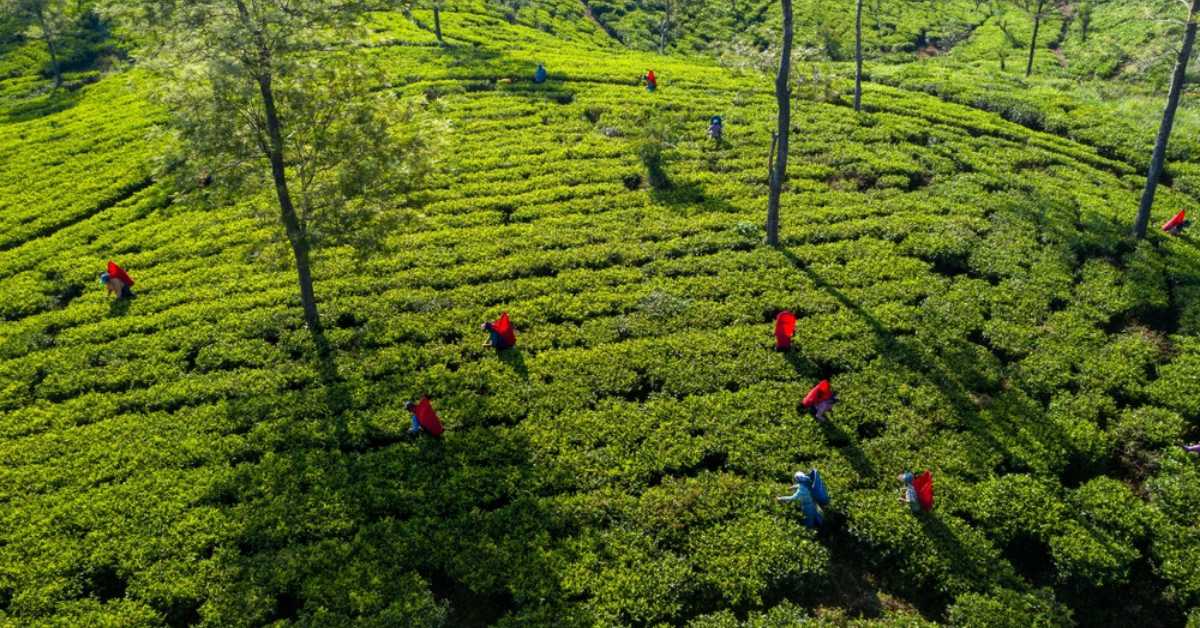
The journey of Ceylon tea from leaf to cup begins in Sri Lanka’s highlands, mid-country, and low-country gardens, where climate, altitude, and soil combine to produce tender leaves with unique character. The process that follows is a careful balance of tradition and modern innovation, designed to protect freshness and enhance aroma.
Ideal Conditions
Tea thrives in well-drained, acidic soils under a warm tropical climate, with rainfall evenly spread across the year. Highland gardens above 1,200m yield brisk and floral teas, while mid-country and low-country regions produce stronger, malty styles. Elevation, rainfall, and soil diversity create Sri Lanka’s broad flavour spectrum.
Step-by-Step Process
- Plucking: Skilled workers hand-pick the top two leaves and a bud.
- Withering: Fresh leaves are spread to reduce moisture and soften texture.
- Rolling: Leaves are twisted to release essential oils and shape.
- Fermentation: Controlled oxidation develops flavour and aroma.
- Drying: Heat locks in character and halts fermentation.
- Sorting: Leaves are graded by size and quality for market.
Traditional vs. Modern
その間 orthodox hand-plucking and rolling remain hallmarks of authenticity, modern factories use controlled environments, energy-efficient dryers, and CTC (crush–tear–curl) machines for high-volume blends. Together, these approaches balance artisanal heritage with global demand for consistency and efficiency.

Types of Ceylon Tea
Sri Lanka produces a rich spectrum of teas, each shaped by terroir and processing style. From brisk, bold black teas to delicate whites and modern flavoured blends, Ceylon tea offers something for every taste.
Black Tea
The backbone of Sri Lanka’s production, black tea makes up over 90% of exports. Known for its brisk, full-bodied cup, it ranges from bright high-grown teas to malty low-grown styles. Enjoyed plain or with milk and sugar.
Green Tea
Crafted from unfermented leaves that are steamed and dried, Ceylon green tea is lighter with grassy, floral notes. Its lower caffeine content makes it a refreshing, health-focused choice.
White Tea
Rare and delicate, white tea is plucked from the youngest buds and leaves, then carefully withered and dried. It yields a subtle liquor with floral and fruity notes, prized among connoisseurs.
Oolong Tea
Partially fermented, oolong balances the strength of black tea with the freshness of green. Ceylon oolong offers layered flavours with floral, nutty undertones.
Flavoured & Value-Added Teas
From Earl Grey to cinnamon-spiced blends, Ceylon tea is also crafted into flavoured and ready-to-drink forms. These value-added products are popular with younger consumers and export markets.
The Importance of Origin (Tea-Growing Regions)
Ceylon tea is deeply defined by its place of origin. Each growing region across Sri Lanka’s diverse terrain creates a distinctive profile—flavour, aroma, and colour—shaped by altitude, rainfall, and soil. These terroirs cannot be replicated anywhere else in the world.
ヌワラエリヤ
High-altitude teas with a light, floral character, golden infusion, and delicately aromatic finish. Known as the “champagne of Ceylon tea.”
Dimbula
Highland teas grown above 1,250m, producing a mellow, golden liquor with refreshing floral notes. Balanced and brisk in the cup.
Uva
Distinctive teas with fragrant, smooth flavours, influenced by monsoon winds. Once promoted by Thomas Lipton to American markets.
Uda Pussellawa
Medium-bodied teas with a tangy edge, reddish tint, and seasonal rose-like aroma. Often compared with Nuwara Eliya but slightly stronger.
キャンディ
The birthplace of the industry (1867), producing robust, coppery teas with a full-bodied character. Ideal for those who enjoy a strong brew.
Ruhuna
Low-grown teas with bold, full-bodied flavour. Dark, rich cups with malty notes and attractive long leaves.
Sabaragamuwa
Teas ranging from sea level to 600m, yielding a dark infusion with caramel sweetness. Smooth and refined.
Tea & Tourism in Sri Lanka
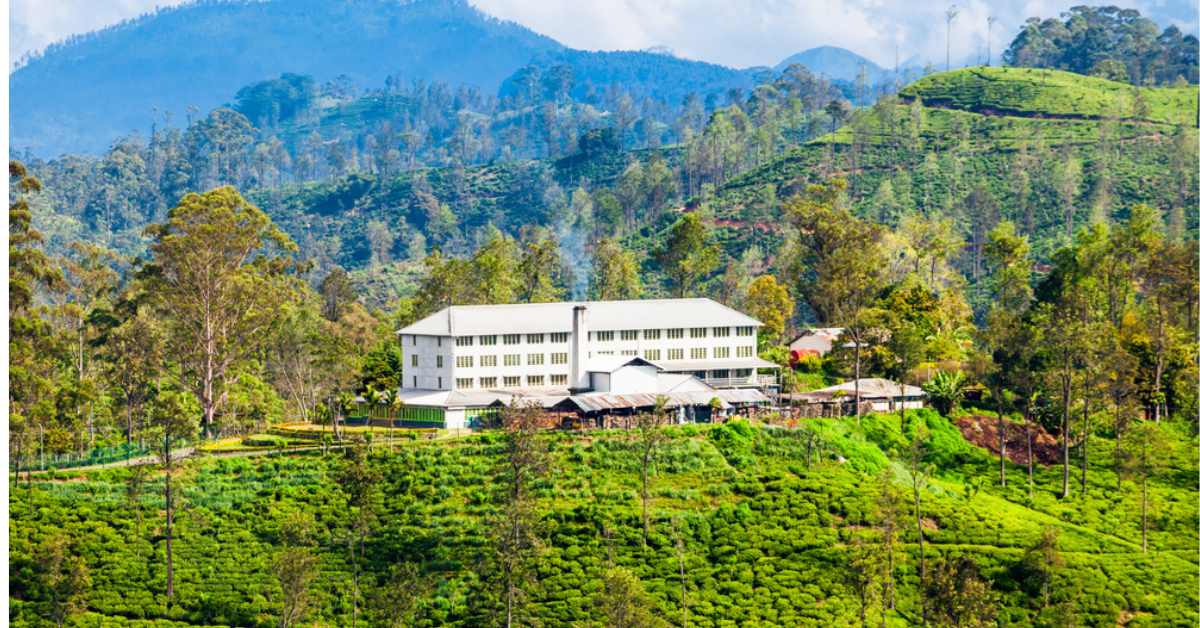
Sri Lanka’s tea country has become a signature travel experience—misty hills, heritage bungalows, and hands-on tastings that connect visitors to the craft behind every cup. From Nuwara Eliya to Ella, tea is both landscape and lifestyle.
- Guided walks through emerald plantations at golden hour
- Factory tours showcasing withering, rolling, and firing
- Curated tastings led by expert tea tasters
- Colonial-era bungalows and boutique stays amid estates
- Scenic rail journeys threading the highlands
Tea Trails & Estate Tours
Explore iconic tea belts in Nuwara Eliya, Hatton, Ella, そして キャンディ. Trails weave through terraced hillsides and workers’ paths, with guides sharing stories of terroir, seasons, and plucking traditions. Many estates include factory visits to see orthdox production in action.
Tea Tasting Experiences
Learn to evaluate the cup—appearance, aroma, liquor, and finish. Vertical tastings compare regions and elevations, while pairing sessions introduce local cuisine and tea-based mocktails. Visitors leave with a deeper appreciation of quality and origin.
A National Brand Story
Tea is central to Sri Lanka’s destination identity. The Ceylon name and the island’s landscapes are co-promoted in travel campaigns, positioning tea country as a must-visit for culture, scenery, and slow travel—elevating both tourism value and tea brand equity.

Health Benefits of Ceylon Tea
Beyond its refreshing taste, Ceylon tea is packed with natural compounds that support overall well-being. From boosting immunity to aiding digestion, its health profile has been reinforced by both tradition and modern research.
Antioxidants
Rich in polyphenols that fight free radicals, strengthen immunity, and help slow the aging process.
Heart Health
Regular consumption may help lower blood pressure, improve cholesterol levels, and reduce inflammation.
Digestive Health
Tannins in Ceylon tea soothe the digestive tract, easing bloating, constipation, and discomfort.
Mental Alertness
Contains caffeine for focus and clarity, but with gentler stimulation than coffee.
Weight Management
Tea catechins support fat metabolism and may assist with healthy weight loss when combined with a balanced lifestyle.
Oral Health
Natural fluoride helps strengthen enamel and reduce bacterial growth for fresher breath.
New Research Insights
- Polyphenols linked to better gut health そして stress reduction.
- Regular tea drinking associated with lower diabetes risk.
- Emerging evidence of cognitive benefits in older adults.
Ceylon Tea Around the World
Today, Ceylon tea connects Sri Lanka to the world. Exported to over 160 countries, it anchors trade ties and introduces millions of tea drinkers to the island’s unique terroir, authenticity, and flavour.
Key Markets
- Middle East
- Russia & CIS
- China
- Japan
- West Africa
Value-Added Packaging
Exports now emphasize premium formats—from boxboard cartons and foil packs to designer tins, tea bags, and gift boxes. These add shelf appeal and protect quality across long journeys.
Sustainability & Certifications
Estates increasingly adopt Rainforest Alliance そして 有機栽培 standards. With rising climate challenges, resilience strategies are vital. The Ceylon Lion Logo remains the hallmark of authenticity and origin.
Modern Consumption Trends
Beyond the classic hot brew, Ceylon tea inspires iced teas, cocktails, kombucha, and bubble tea. Younger generations worldwide embrace these innovative formats, keeping the heritage brand fresh and relevant.

Popular Ceylon Tea Brands
Over the decades, Sri Lanka’s tea companies have built a strong reputation for authenticity, quality, and innovation. From heritage family businesses to boutique startups, these brands carry the Ceylon name around the globe.
Established Brands
Household names like Dilmah, Basilur, Akbar, そして Mlesna set benchmarks for quality. These brands are stocked in global supermarkets and hotels, symbolising Sri Lanka’s tea heritage.
Updated & Boutique Players
New entrants such as Zesta, Tea Tang, そして Heladiv, alongside artisanal small-batch producers, are shaping the future with organic, fair-trade, and niche offerings.
Innovation Highlight
Dilmah’s TI21C (Tea Inspiration for the 21st Century) reimagines tea for gastronomy and mixology—pairing with fine dining, cocktails, and modern culinary experiences.
Future of Ceylon Tea
Ceylon tea stands at a pivotal moment: heritage and quality remain its strengths, while climate pressures, costs, and shifting consumer habits demand fresh ideas, new formats, and stronger digital presence.
Challenges
- Climate change: erratic rainfall, heat stress, and shifting seasonality affect yield and flavour.
- Rising costs: labour, energy, logistics, and inputs pressure margins across the value chain.
Opportunities
- Organic & sustainable: premium niches with traceability and eco-certifications.
- Herbal & wellness blends: function-forward infusions that meet lifestyle needs.
- RTD (ready-to-drink): iced tea, sparkling tea, and low-sugar formats for on-the-go appeal.
E-commerce & Global Branding
Direct-to-consumer storefronts, marketplace listings, and subscription models expand reach beyond auctions and wholesale. Strong origin storytelling—backed by the Ceylon identity—helps brands stand out in competitive international aisles and digital ads.
Infographics / Tables
Tip: Cells with a dotted underline are editable. Click to update values.
Top Export Markets (2024)
| Rank | Country / Region | Share (%) | 注記 |
|---|---|---|---|
| 1 | Iraq | — | Strong demand for packet tea |
| 2 | Turkey | — | Re-export hub; value-added formats |
| 3 | Russia & CIS | — | Historic buyer of Ceylon black tea |
| 4 | Iran | — | Bulk + packet blends |
| 5 | UAE | — | Trade & logistics gateway |
| 6 | China | — | Growing demand for black tea |
| 7 | Japan | — | Premium & specialty segments |
| 8 | Saudi Arabia | — | Packet + gift formats |
| 9 | Libya | — | Strong black tea preference |
| 10 | West Africa (select) | — | Gradual rise in tea bags |
Comparison – Black vs Green vs White vs Oolong
| タイプ | Flavour Profile | Caffeine* | Indicative Price Tier** |
|---|---|---|---|
| Black | Brisk, full-bodied; citrus/high-grown → malty/low-grown | Med–High | $$ widely available |
| Green | Light, grassy, floral; refreshing finish | Medium | $$ quality varies by grade |
| White | Delicate, sweet, subtle; soft floral/fruit notes | Low | $$$ rare, small-batch |
| Oolong | Layered, floral–nutty; partially oxidized | Medium | $$$ specialty/limited |
*Caffeine: relative guide (brew strength & time change outcomes). **Price tier: broad indication; actual prices vary by grade, origin, and packaging.
FAQs About Ceylon Tea
Quick answers to the most common questions about brewing, caffeine, health benefits, sustainability, and more.