
Góra Galgiriya
-
Turystyka piesza
-
Historia i kultura
-
Natura
-
Miejsce religijne
Opis
Mountain / Forest Reserve
Historical Landmark
Nature & Hiking
Przegląd
Historia
Features
Szybkie fakty
Dotarcie tam
Najlepszy czas
W pobliżu
Często zadawane pytania
Overview: Galgiriya Mountain (ගල්ගිරියා කන්ද)
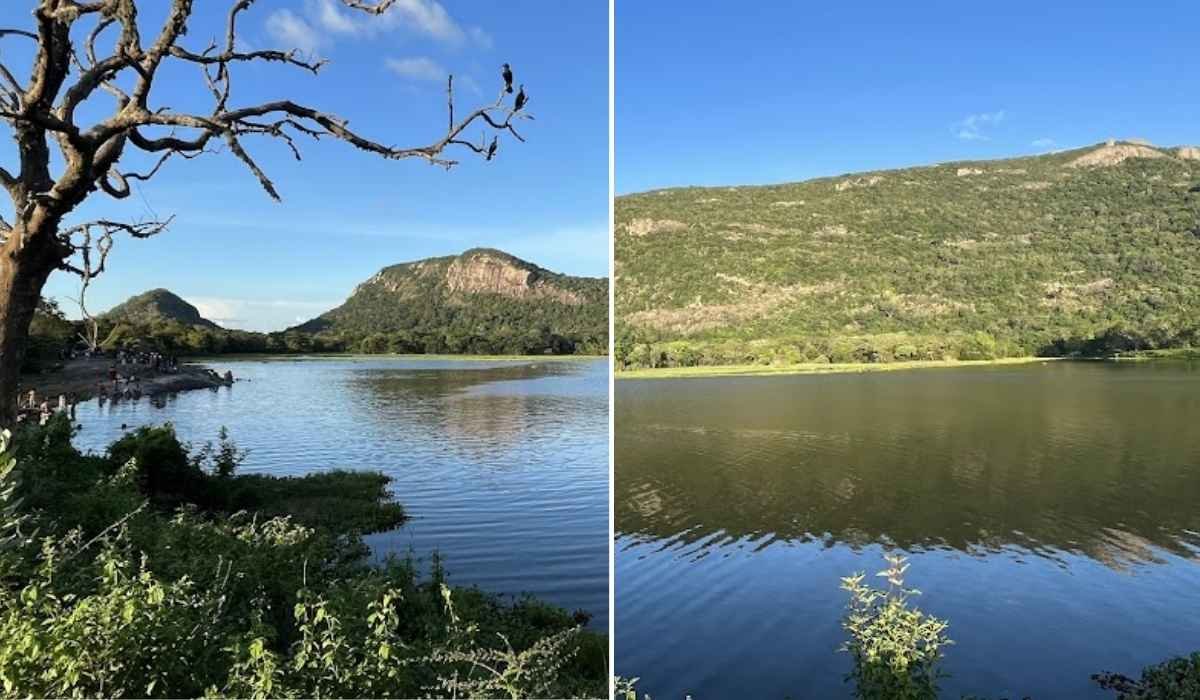
Góra Galgiriya is an isolated mountain in the Dystrykt Kurunegala, rising to 478 metres (1,568 ft). It is the 7th highest peak in the North Western Province and ranks as the 212th highest mountain in Sri Lanka.
Stretching over 7 km in length, Galgiriya is unique compared to other isolated hills in the region. Today, it is preserved as a forest reserve, sheltering diverse flora and fauna, making it a significant natural and ecological landmark in Sri Lanka.
Historia
The history of Galgiriya dates back to the era of King Dutugemunu. His son, Prince Saliya, famously gave up the throne for his love, Asokamala. The couple fled Anuradhapura and later settled near Galgiriya.
Prince Saliya is believed to have initiated irrigation works in the area. The mountain’s water resources were converted into tanks that supported paddy cultivation. Today, six tanks remain in the vicinity: Kuda Galawewa, Maha Galawewa, Embogama Wewa, Gaketiyagama Wewa, and Kaduruwewa.
At one end of the mountain lies the Saliya Hermitage, preserving the memory of the prince’s retreat and his connection to the land.
Features & Natural Highlights
- Length: An unusually long mountain ridge (~7 km).
- Forest Reserve: Home to valuable biodiversity including rare flora and fauna.
- Źródła wody: Feeds nearby tanks and streams vital for agriculture.
- Hiking Potential: Trails through forested paths with panoramic views.
- Cultural Sites: Historic hermitage linked to Prince Saliya.
Szybkie fakty
478 m (1,568 ft)
North Western
Kurunegala
~7 km ridge
7th highest in North Western Province
Saliya Hermitage
Kuda Galawewa, Maha Galawewa, Embogama Wewa
Forest Reserve
Dotarcie tam
Galgiriya Mountain is located in the Dystrykt Kurunegala. From Miasto Kurunegala, the mountain can be reached via local roads connecting through Embogama and surrounding villages. Private vehicles or tuk-tuks are recommended as public transport is limited to nearby towns.
Najlepszy czas na wizytę
The ideal time to visit Galgiriya Mountain is during the dry season (January – April, July – September). Mornings and late afternoons provide cooler temperatures for hiking and photography. Avoid heavy rains (October – December) as trails may become slippery.
Atrakcje w pobliżu
- Kurunegala Rock (Athugala) – iconic rock with a Buddha statue overlooking the city.
- Ridi Viharaya – ancient cave temple with Kandyan paintings (~25 km).
- Kukulegama & Embogama Tanks – irrigation lakes tied to local history.
- Kurunegala City – historic town with colonial and cultural landmarks.
Często zadawane pytania
Is Galgiriya good for hiking?
What is the historical significance?
Are there tanks around the mountain?
Do I need permission to visit?
Najlepszy czas na wizytę
-
Przez cały rok
Przegląd najważniejszych wydarzeń
-
Parking rowerowy
-
Wstęp wolny
-
Dostępny parking
-
Wymagany czas na eksplorację: 1 godzina
-
Wymagany czas na zwiedzanie: pół dnia
-
Dostępne toalety