

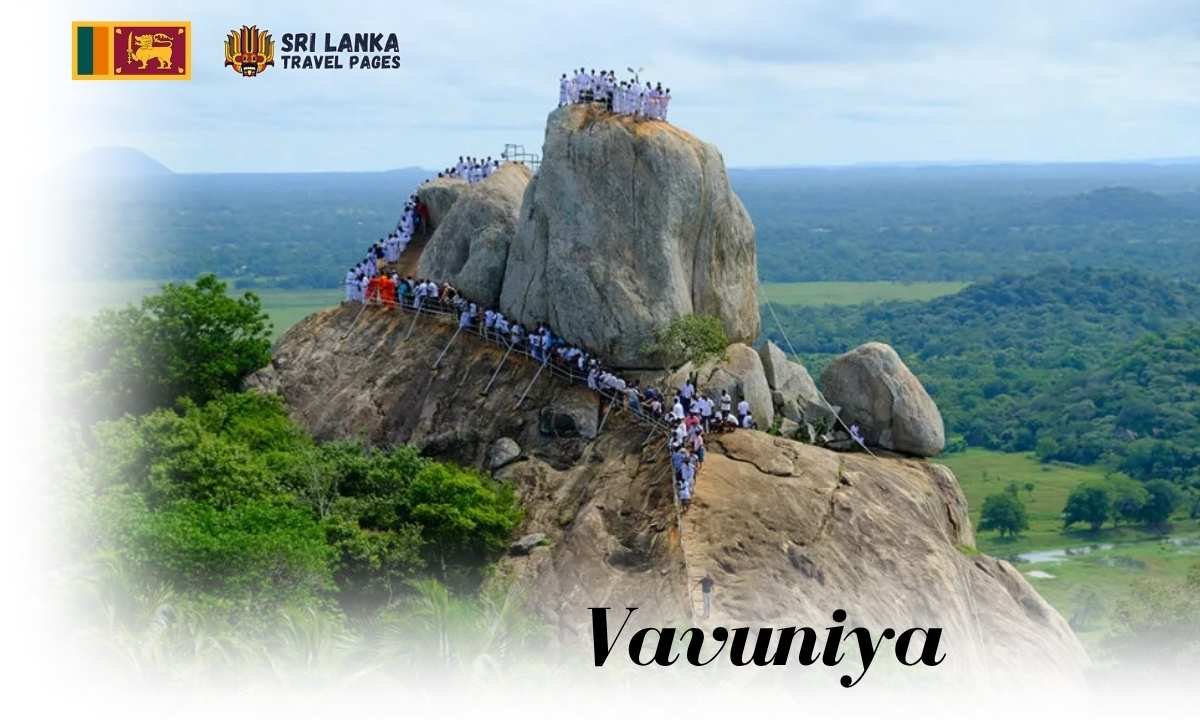
Vavuniya, located in the Northern Province of Sri Lanka, is a vibrant town known for its strategic significance, cultural heritage, and natural beauty. As a key gateway to the northern part of the island, Vavuniya serves as a vital commercial hub connecting the north with other regions of Sri Lanka. The town is situated at the crossroads of several important highways, making it easily accessible from Colombo, Jaffna, and other major cities.
Vavuniya has a rich historical background, with its roots dating back to ancient Sri Lankan civilization. It has witnessed the rise and fall of various kingdoms and empires, and its landscape is dotted with temples, ancient ruins, and other cultural landmarks that reflect its deep historical significance. The town also holds a special place in Sri Lanka’s modern history, having been significantly impacted by the civil conflict in the past. However, it has now emerged as a symbol of resilience and rebuilding, with strong community bonds and a focus on development and progress.
The surrounding natural environment of Vavuniya is equally captivating, with lush green fields, wetlands, and nearby wildlife sanctuaries offering plenty of opportunities for eco-tourism and nature exploration. The area is also home to a number of traditional agricultural practices, with paddy fields, coconut plantations, and various crops contributing to the local economy.
In recent years, Vavuniya has experienced rapid development, with improvements in infrastructure, education, and healthcare facilities. As a result, it has become a growing center for trade and commerce, attracting both local and foreign investments. The town’s dynamic blend of tradition, culture, and progress makes Vavuniya a unique and important destination in Sri Lanka.
Całkowita populacja
172,257
Dywizje GN
100
🌊 Why is Vavuniya – Sri Lanka Unique?
Vavuniya, located in the heart of Sri Lanka’s Northern Province, is known for its rich cultural heritage, agricultural abundance, and significant historical importance. The town blends traditional customs with a growing modernity, reflecting the resilience of its people.
🛕 Znaczenie kulturowe i tradycje
Vavuniya is home to a vibrant Tamil culture, with numerous Hindu temples and annual festivals that showcase the region’s spiritual depth. Celebrations like Tamil New Year and harvest festivals highlight the town’s strong ties to its heritage.
🛣️ Strategiczna lokalizacja
Situated at the crossroads of Sri Lanka’s north and south, Vavuniya plays a pivotal role in facilitating trade, cultural exchange, and regional connectivity. Its strategic location has made it an important hub for both commerce and communication.
🌾 Rolnictwo i zrównoważony rozwój
Agriculture forms the backbone of Vavuniya’s economy, with fertile lands supporting rice, vegetables, and coconut plantations. The local farmers continue to practice sustainable farming techniques, ensuring the long-term prosperity of the region.
🤝 Społeczność i jedność
The people of Vavuniya are known for their strong sense of community and resilience. Despite the challenges they have faced, they continue to work together, preserving their cultural traditions while striving for social and economic progress.
🏗️ Postęp i rozwój
Vavuniya has seen significant development in recent years, with improved infrastructure, better access to education and healthcare, and increased opportunities for youth. As the town modernizes, it continues to preserve its agricultural roots and cultural heritage.
| Kod GN | Imię po angielsku |
|---|---|
| 005 | Unchalkaddy |
| 010 | Vedivaithakallu |
| 015 | Maruthodai |
| 020 | Paddikudiyiruppu |
| 025 | Katkulam |
| 030 | Nedunkerny South |
| 035 | Nedunkerny North |
| 040 | Olumadu |
| 045 | Mamadu |
| 050 | Kulavisuddan |
| 055 | Maraillupai |
| 060 | Paranthan |
| 065 | Anantha Puliyakulam |
| 070 | Sinnadampan |
| 075 | Nainamadu |
| 080 | Puliyankulam South |
| 085 | Puliyankulam North |
| 090 | Kanakarayankulam South |
| 095 | Kanakarayankulam North |
| 100 | Mannakulam |
| 005 | Periya Ulukkulama |
| 010 | Poomaduwa |
| 015 | Rankethgama |
| 020 | Maruthammaduwa |
| 025 | Track 7 |
| 030 | Awaranthulawa |
| 035 | Acre 20, 40, 60 |
| 040 | Acre 400 |
| 045 | Madukanda |
| 050 | Eramperiyakulama |
| 055 | Alagalla |
| 060 | Avusadapitiya |
| 065 | Kalukunnamaduwa |
| 070 | Nedunkulama |
| 075 | Mahamailankulama |
| 080 | Mamaduwa |
| 085 | Mahakachchakodiya |
| 090 | Pudubulankulama |
| 095 | Pirappamaduwa |
| 100 | Agbopura |
| 005 | Palamoddai |
| 010 | Maruthamadu |
| 015 | Panrikeythakulam |
| 020 | Arumugaththanputhukkulam |
| 025 | Semamadu |
| 030 | Maligai |
| 035 | Mahilankulam |
| 040 | Maruthankulam |
| 045 | Elamaruthankulam |
| 050 | Kallikkulam |
| 055 | Nochchimoddai |
| 060 | Paranaddakal |
| 065 | Puthukkulam |
| 070 | Marekkarampalai |
| 075 | Thandikulam |
| 080 | Maharambaikkulam |
| 085 | Kaththarsinnakulam |
| 090 | Nelukkulam |
| 095 | Pattanichchoor Puliyankulam |
| 100 | Vavuniya Town |
| 105 | Omanthai |
| 110 | Salambaikkulam |
| 115 | Sasthirikoolankulam |
| 120 | Echchankulam |
| 125 | Kalmadu |
| 130 | Poovarasankulam |
| 135 | Sekkadipulavu |
| 140 | Pambaimadu |
| 145 | Rajendrankulam |
| 150 | Koomankulam |
| 155 | Kovilkulam |
| 160 | Velikkulam |
| 165 | Moonrumurippu |
| 170 | Kandapuram |
| 175 | Thonikkal |
| 180 | Samalankulam |
| 185 | Asikulam |
| 190 | Rambaikulam |
| 195 | Vairavapuliyankulam |
| 200 | Pandarikulam |
| 205 | Vavuniya Town North |
| 210 | Velankulam |
| 005 | Andiyapuliyankulam |
| 010 | Periyathampanai |
| 015 | Periyakaddu |
| 020 | Kannaddy |
| 025 | Piramanalankulam |
| 030 | Sooduventhapulavu |
| 035 | Kurukkalputhukkulam |
| 040 | Kanthasamy Nagar |
| 045 | Unit 05 / 06 Pavatkulam |
| 050 | Pavatkulam Unit - 04 |
| 055 | Pavatkulam Unit - 02 |
| 060 | Muthaliyarkulam |
| 065 | Sinnasippikulam |
| 070 | Neriyakulam |
| 075 | Periyapuliyalankulam |
| 080 | Cheddikulam |
| 085 | Mugath remercier |
| 090 | Pavatkulam Unit 09 & 10 |
| 095 | Kiristhavakulam |
| 100 | Kangankulam |
📊 Vavuniya District Population (2012–2024)
| Rok | Population (Vavuniya District) |
|---|---|
| 2012 | 171,511 |
| 2013–2016 | Data not available |
| 2017 | 184,000 |
| 2018 | 187,000 |
| 2019–2023 | Data not available |
| 2024 | 172,257 |
Vavuniya Contact Information
Lokalizacja: Vavuniya Police Station, Northern Province, Sri Lanka
Contact Number: 0242 222 222
Lokalizacja: Vavuniya Hospital, Northern Province, Sri Lanka
Contact Number: 0242 222 761
Top Attractions in Vavuniya
Best Time to Visit Vavuniya, Sri Lanka
Vavuniya, located in the scenic northern region of Sri Lanka, offers a tranquil escape amidst natural beauty. The best time to visit this peaceful area depends on the weather, festivals, and activities you wish to enjoy. Here's all you need to know to plan your visit to Vavuniya.
The best time to visit Vavuniya is during the **dry season** from **May to September**. The weather during these months is warm with minimal rainfall, making it perfect for outdoor activities such as exploring temples, enjoying the countryside, and visiting local farms. The temperatures range from 27°C to 32°C, providing a pleasant environment for sightseeing and leisurely walks.
**Sezon monsunowy** trwa od **października do grudnia** i przynosi obfite opady deszczu. Choć może to zniechęcać niektórych podróżnych, monsun uwydatnia bujną zieleń okolicy. Jeśli jesteś entuzjastą fotografii lub chcesz doświadczyć tętniącej życiem okolicy, to jest idealny moment dla Ciebie. Jednak podróżowanie może być utrudnione ze względu na sporadyczne powodzie, a zajęcia na świeżym powietrzu mogą być ograniczone.
**Sezon przejściowy**, od **stycznia do kwietnia**, oferuje dobry balans między umiarkowaną pogodą a mniejszą liczbą turystów. Temperatury wahają się od 25°C do 30°C, co pozwala na komfortowe zwiedzanie lokalnych atrakcji bez upałów lata. To doskonały czas dla tych, którzy preferują ciszę i relaks, z mieszanką bezchmurnego nieba i sporadycznych, lekkich opadów deszczu.
If you're interested in local culture, visiting Vavuniya during major **Hindu festivals**, such as **Tamil New Year (April)** or **Navaratri (September/October)**, will provide a memorable experience. The temples are beautifully decorated, and you can witness traditional dances, rituals, and processions that bring life to the community.
Vavuniya offers stunning sunrise and sunset views. Early mornings are ideal for a peaceful stroll through the fields or a visit to the temples, while evenings provide breathtaking sunsets over the paddy fields and distant hills. Be sure to spend time outdoors during these hours to fully appreciate the natural beauty of the landscape.
How to Reach Vavuniya
Vavuniya, located in the Northern Province of Sri Lanka, is an important cultural and commercial hub. It is well-connected to other major cities in Sri Lanka, making it easily accessible by road. Here's how you can reach Vavuniya from various cities.
| Miasto | Dystans | Szacowany czas | Informacje o trasie |
|---|---|---|---|
| Jaffna | 20 kilometrów | 30 – 35 minut | |
| Colombo | 420 kilometrów | 8 – 9 godzin | |
| Kilinoczchi | 80 kilometrów | 1,5 – 2 godz. | |
| Vavuniya | 0 km | – | |
| Mannar | 135 kilometrów | 3 – 3,5 godz. |
🗺️ Interaktywna mapa tras
Geographical Overview of Vavuniya, Sri Lanka
Vavuniya is a town located in the Northern Province of Sri Lanka. Known for its fertile lands, agricultural importance, and historical significance, Vavuniya serves as a key gateway to the northern region of the island. It plays an important role in the economy through agriculture, trade, and connectivity between the north and south of the country.
Vavuniya is situated in the north-central part of Sri Lanka, with a landscape dominated by vast agricultural lands, including rice paddies, coconut plantations, and dry-zone forests. The area is mainly flat, surrounded by hills in the distance, offering scenic views and a rich natural environment. The town’s proximity to the **Vavuniya River** enhances the fertile surroundings, providing irrigation for agriculture.
Vavuniya experiences a tropical dry climate, with high temperatures throughout the year, ranging from 26°C to 34°C. The region has a distinct dry period, but the southwest monsoon, from May to September, brings some rainfall. The best time to visit is during the dry season, from November to April, when the weather is ideal for outdoor activities and travel.
Vavuniya is strategically located, approximately **100 km** from **Jaffna**, the cultural capital of the Northern Province. The town is around **230 km** from **Colombo**, Sri Lanka's commercial hub, and is connected by road, making it a crucial transportation link. Vavuniya also provides access to **Kilinochchi** and **Mannar**, two other important towns in the region.
Vavuniya’s fertile soil supports a variety of agricultural activities, including the cultivation of rice, vegetables, and fruits. The region’s dry-zone climate makes it ideal for coconut farming, and the **Vavuniya River** provides irrigation for crops. The town is also home to some natural reserves, which contribute to local biodiversity, including several species of birds and plant life.
Vavuniya is located near several cultural and historical attractions. Visitors can explore **Vavuniya Fort**, which holds significant historical value, and the **Mannar Island**, known for its beaches and natural beauty. The region is also home to **Sri Lanka’s Hindu temples**, offering an immersive cultural experience. Additionally, **Wilpattu National Park**, located about 25 km from Vavuniya, is a popular destination for wildlife enthusiasts.
Local Economy and Agriculture – Vavuniya
Vavuniya, located in the Northern Province of Sri Lanka, has a thriving agricultural sector that plays a crucial role in the local economy. The region’s economy is primarily based on agriculture, with rice farming, coconut cultivation, and vegetable farming forming the backbone of the local livelihood. The proximity to the coastal areas also allows for a growing fishing industry, contributing to the region's economic vitality.
Agriculture in Vavuniya is characterized by the cultivation of staple crops like **rice**, **coconuts**, and a variety of **vegetables**. The fertile lands, nourished by the region's natural irrigation systems and the proximity to freshwater lakes, make it ideal for large-scale rice production. Paddy fields stretch across much of the area, and local farmers primarily practice traditional farming methods.
In addition to rice, **coconut farming** is a significant part of Vavuniya's agricultural economy. Coconut trees are found across the region, and their products, such as copra and coconut oil, are essential to the local market. The region also cultivates **tropical fruits** like bananas, papayas, and mangoes. These crops are vital not only for local consumption but also for trade with neighboring regions.
Being located near the northern coastline, **fishing** is a major source of income in Vavuniya. The coastal waters are rich in fish, and local fishermen use traditional methods to catch a variety of fish and seafood. Fish such as **tuna**, **mackerel**, and **prawns** are regularly caught and sold in local markets or transported to larger towns for further distribution. Fishing also supports related industries, including seafood processing and export.
Oprócz uprawy roślin i rybołówstwa, ważną rolę w lokalnej gospodarce odgrywa również hodowla zwierząt gospodarskich. Wielu mieszkańców zajmuje się **hodowlą bydła mlecznego**, produkującego mleko, które jest podstawą lokalnej diety. Powszechna jest również **hodowla kóz** i **drobiu**, a mięso i jaja stanowią dodatkowe źródło dochodu dla rolników.
The majority of the population in Vavuniya is employed in agriculture, with many working directly on farms, plantations, or in related industries like coconut processing and fishing. **Small businesses** are also growing in the region, with local shops selling agricultural produce, fishing gear, and household items. Vavuniya is becoming a regional hub for trade in agricultural goods, with roads and infrastructure gradually improving to facilitate better connectivity and economic growth.
Education and Public Facilities – Vavuniya
Vavuniya, located in the Northern Province of Sri Lanka, offers a range of educational and public facilities that support the community's growth and development. Education, healthcare, and essential services are key aspects of life in the region, ensuring that the people have access to basic needs and opportunities for advancement.
Education plays a vital role in Vavuniya, with several **government schools** offering primary and secondary education to children. Local schools cater to the educational needs of the Tamil community, providing a foundation for students to pursue further education. The **Vavuniya Government School** is one of the major institutions that provide free education, following the national curriculum.
Oprócz szkół państwowych istnieje również wiele **prywatnych ośrodków korepetycyjnych**, które oferują uczniom edukację uzupełniającą, szczególnie z takich przedmiotów jak matematyka, języki obce i nauki ścisłe. Jednak dostęp do szkolnictwa wyższego pozostaje wyzwaniem ze względu na ograniczoną infrastrukturę, a wielu studentów kontynuuje **kształcenie wyższe** w pobliskich miastach, takich jak **Kilinochchi** i **Dżafna**, gdzie znajdują się uniwersytety i ośrodki kształcenia zawodowego.
Healthcare in Vavuniya is provided primarily by the **Vavuniya Hospital**, which offers basic medical services, including general checkups, maternity care, vaccinations, and emergency treatment. The hospital serves as the first point of contact for medical care in the region, though more specialized treatment is available in larger hospitals in **Kilinochchi** and **Jaffna**.
Oprócz szpitala działają **ośrodki zdrowia** oferujące opiekę profilaktyczną i leczenie powszechnych chorób. **Czerwony Krzyż Sri Lanki** wspiera również kampanie zdrowotne, w szczególności dotyczące **chorób wektorowych**, oraz programy sanitarne, dbając o zdrowie i bezpieczeństwo społeczności.
**Access to clean drinking water** has been a major focus in Vavuniya, with ongoing efforts to improve water supply systems. The local authorities have implemented a **pipe-borne water system** that provides safe drinking water to many parts of the village, although some rural areas may still rely on **bore wells**.
W ostatnich latach poprawiono również infrastrukturę sanitarną, w tym toalety publiczne i systemy gospodarki odpadami. Nadal jednak istnieją wyzwania, zwłaszcza w bardziej oddalonych obszarach, gdzie infrastruktura może być słabo rozwinięta.
Vavuniya is well-connected to nearby towns like **Kilinochchi**, **Jaffna**, and **Mannar** via the **A9 highway**, which is the main route for travelers and goods. Local **buses** and **three-wheeler taxis** are common modes of transportation, ensuring easy access to the surrounding regions.
The town is also close to **Kilinochchi Railway Station**, which connects it to the rest of the island via Sri Lanka's railway network, providing further accessibility for education, healthcare, and work opportunities.
Transportation and Accessibility – Vavuniya
Vavuniya, located in the Northern Province of Sri Lanka, enjoys strategic connectivity to the rest of the island through various transportation networks. The region is easily accessible by road, rail, and other means of transportation, which ensures that both locals and visitors can travel to and from the area conveniently.
The main road connecting **Vavuniya** to other towns is the **A9 Highway**, which is part of the central arterial road network running from **Colombo** to **Jaffna**. This highway is crucial for connecting the northern regions of Sri Lanka, making Vavuniya easily accessible by **private vehicles**, **buses**, and **three-wheelers**.
**Lokalne połączenia autobusowe** zapewniają wygodne podróże po regionie i do pobliskich miejscowości, takich jak **Kilinochchi**, **Dżafna** i **Mannar**. Autobusy kursują często i są niedrogie, stanowiąc główny środek transportu podczas codziennych dojazdów.
**Vavuniya** benefits from its proximity to the **Kilinochchi Railway Station**, which is part of the **Sri Lanka Railways** network. The railway offers an essential service connecting the **northern provinces** with the **south** of Sri Lanka. The trains from **Kilinochchi** travel to major stations like **Colombo**, **Anuradhapura**, and **Jaffna**, allowing easy access for long-distance travel.
The **Kilinochchi Railway Station** is a key transportation hub for the region, and residents of Vavuniya frequently use it to travel for work, education, and business purposes.
Oprócz autobusów, **prywatne vany** i **współdzielone taksówki** są popularne w transporcie krótkodystansowym w regionie. Usługi te są niedrogie i często obsługują obszary, do których nie można bezpośrednio dojechać większymi autobusami.
While **Vavuniya** does not have its own airport, the nearest airport is the **Jaffna International Airport**, located approximately **80 km** away from the town. The airport offers domestic flights that connect the region to **Colombo** and other parts of Sri Lanka, making it convenient for those traveling by air.
**Vavuniya** is located inland, and while there is limited water transport infrastructure, the region is accessible via small boats and ferries to nearby **Mannar Port** for **fishing** and **local trade** activities. The sea routes are particularly important for the fishing community in the area.
The local infrastructure in **Vavuniya** continues to improve with efforts to enhance **road conditions** and **public transport networks**. In addition to transportation, the area is also working on expanding **telecommunication networks** and **internet connectivity**, ensuring that residents and businesses remain connected to the broader region.
Emerging Rural Enterprises – Vavuniya
Vavuniya, a rural region located in the Northern Province of Sri Lanka, has seen a rise in innovative and sustainable enterprises in recent years. These emerging businesses are reshaping the local economy and providing new opportunities for the community. From agriculture to local handicrafts, here’s an overview of the growing rural enterprises in Vavuniya.
**Agriculture** remains the backbone of the economy in Vavuniya, but new trends in **organic farming** and **agri-businesses** are on the rise. Many local farmers have shifted towards more sustainable and organic farming practices, producing fruits, vegetables, and grains that are sold in **local markets** and even **exported** to larger towns and cities. Additionally, the demand for **organic coconut products** such as oil and flour has led to the creation of small-scale coconut processing businesses.
Being close to the coast, **fishing** is a major industry in Vavuniya. In addition to traditional fishing, there are emerging **seafood processing** enterprises that help improve the value of locally caught fish and seafood. Small **fish processing units** have been established, providing employment for the local community and adding value to the local catch. This enterprise is now moving towards exporting dried fish, seafood snacks, and processed fish products to larger markets.
Vavuniya is also seeing the rise of **handicraft enterprises**, where local artisans create traditional products such as **woven baskets**, **handmade jewelry**, and **cloth-based items** like saris and shawls. These items, often made using **locally sourced materials**, reflect the rich cultural heritage of the region. With the support of **local tourism**, these crafts are now being marketed outside of the region, contributing to both cultural preservation and economic growth.
**Eco-tourism** is another emerging sector in Vavuniya. Entrepreneurs in the region are focusing on sustainable tourism that highlights the natural beauty of the area, including its beaches, lagoons, and rural landscapes. Small **eco-friendly lodges** and **nature tours** have been established, catering to tourists interested in experiencing authentic Sri Lankan village life while respecting environmental sustainability. These eco-tourism ventures also create employment and raise awareness about environmental conservation.
Oprócz tradycyjnych gałęzi przemysłu, obserwuje się wzrost liczby **małych firm** i **startupów** w sektorach takich jak **handel detaliczny**, **hotelarstwo** i **usługi IT**. Lokalni przedsiębiorcy otwierają małe sklepy, które sprzedają rękodzieło, lokalne produkty, a nawet oferują usługi takie jak **krawiectwo** i **naprawa mechaniki**. Niektóre startupy zaczynają koncentrować się na **usługach opartych na technologii**, w tym **tworzeniu aplikacji mobilnych** i **marketingu cyfrowym** dla lokalnych firm. Te małe firmy odgrywają kluczową rolę w dywersyfikacji lokalnej gospodarki.
Aby wesprzeć rozwijający się sektor rolny, w regionie powstało kilka **spółdzielni rolniczych**. Spółdzielnie te umożliwiają lokalnym rolnikom łączenie zasobów, dzielenie się sprzętem i dostęp do zakupów hurtowych, co zwiększa opłacalność i wydajność rolnictwa. Ponadto **rząd** i **organizacje pozarządowe** zapewniają **wsparcie finansowe** i **programy szkoleniowe**, aby pomóc lokalnym przedsiębiorcom z sektora rolnego i rybołówstwa w doskonaleniu technik i poszerzaniu rynków zbytu.
🛏️ Search Places to Stay in Vavuniya
📸 Why Visit or Invest in Vavuniya
Vavuniya, located in the Northern Province of Sri Lanka, is a rural gem blending agriculture, fishing, and cultural tourism. Its peaceful environment, agricultural lands, and welcoming communities make it ideal for eco-tourism, rural businesses, and sustainable investments.
- 🚤 Strategiczna lokalizacja: Łatwy dojazd z Kilinoczczi i pobliskich miejscowości, blisko malowniczych krajobrazów i ośrodków rolniczych. Idealne miejsce dla agroturystyki, eko-ośrodków i przemysłu rybnego.
- 🏝️ Atrakcje przyrodnicze i krajobrazowe: Znany z bujnych pól uprawnych, lagun i ekologicznych krajobrazów. Idealny na spacery pośród natury, obserwację ptaków i ekoturystykę.
- 🌾 Rolnictwo i Rybołówstwo: Obszar ten słynie z uprawy kokosów, uprawy ryżu i rybołówstwa. Duży potencjał dla produktów rolnych o wartości dodanej i owoców morza.
- 🏡 Turystyka społeczna i kulturalna: Możliwość zakwaterowania, uczestnictwa w lokalnych festiwalach, wycieczek rowerowych i poznania kultury tamilskich społeczności rolniczych.
Niezależnie od tego, czy jesteś podróżnikiem, przedsiębiorcą czy inwestorem, Vavuniya oferuje harmonijne połączenie naturalnego piękna, bogactwa kulturowego i obiecujących perspektyw inwestycyjnych.