
Digital transformation has revolutionized the education sector, making learning more accessible, engaging, and efficient. Traditional classroom environments are now complemented by innovative technologies such as e-learning platforms, interactive whiteboards, and virtual classrooms. One of the most significant benefits is the flexibility it offers. Students no longer need to be physically present to access quality education. Online platforms and mobile apps allow learners from remote areas to study at their own pace, removing geographical and time barriers. This shift is particularly beneficial in developing regions, where access to education has historically been limited. Additionally, digital tools provide educators with data-driven insights into student performance, enabling personalized learning experiences tailored to individual needs. For instance, adaptive learning systems can adjust content difficulty based on a learner’s progress, improving retention and motivation. Collaboration has also improved through digital channels—students and teachers can now communicate instantly via forums, video calls, or shared documents. Moreover, the integration of gamification and multimedia content has made learning more interactive and enjoyable, catering to various learning styles. On the administrative side, digital records, automated grading, and virtual attendance systems reduce the workload on teachers, allowing them to focus more on instruction and mentorship. Despite challenges such as the digital divide and the need for teacher training, the long-term advantages outweigh the hurdles. Digital transformation prepares students for the technology-driven future, fostering essential skills like digital literacy, critical thinking, and collaboration. It also enables lifelong learning, where individuals can upskill and reskill through online courses as industries evolve. As educational institutions continue to embrace technology, they unlock new opportunities for innovation, inclusivity, and global knowledge sharing. Ultimately, the digital transformation of education is not just a trend but a necessary evolution to meet the demands of the 21st century.
Całkowita populacja
47,843
Dywizje GN
159
🌅 Why is Valikamam North – Sri Lanka Unique?
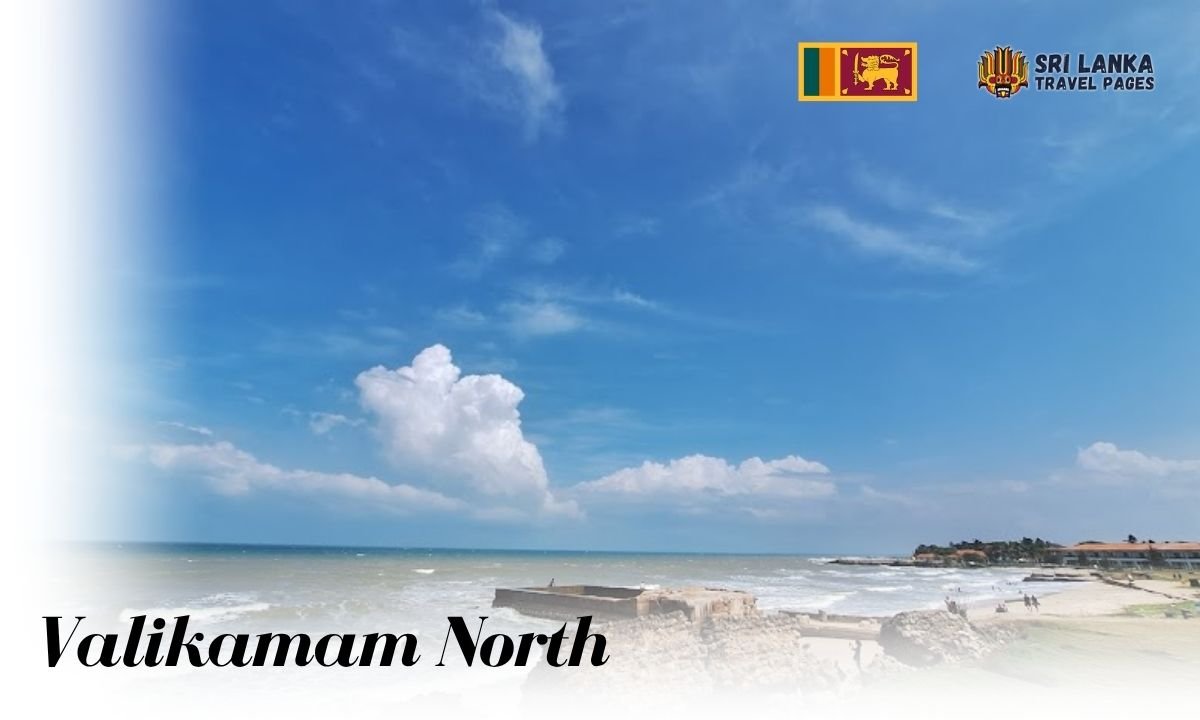
Valikamam North, located in the Jaffna District of Sri Lanka’s Northern Province, is a region steeped in history and cultural vibrance. Known for its significant religious heritage, coastal lifestyle, and strong Tamil identity, it plays a central role in preserving Northern Sri Lanka's traditions and spirit.
🛕 Cultural Significance and Sacred Sites
The area is home to sacred Hindu temples and historical landmarks, including ancient kovils that attract devotees from across the island. Rituals, processions, and Tamil New Year celebrations remain key cultural highlights in the local calendar.
🛣️ Strategic Location and Access
With proximity to Jaffna town and key infrastructure, Valikamam North enjoys convenient access to major roads, public services, and educational institutions, making it a vital connector in the Northern Peninsula.
🌴 Coastal Charm and Livelihoods
Many residents depend on fishing and small-scale farming. The surrounding lagoons, coastal settlements, and fertile lands contribute to a lifestyle rooted in sustainability and natural resources.
🤝 Community Spirit and Heritage
The people of Valikamam North are resilient, culturally proud, and closely bonded. The community has shown strength through adversity, nurturing a sense of unity and preservation of tradition.
🏗️ Growth with Cultural Balance
While honoring its cultural heritage, the region is embracing gradual urban and rural development, improving healthcare, transportation, and youth education while maintaining its identity.
Valikamam North GN Code List
| Kod GN | Imię po angielsku |
|---|---|
| 005 | Vadducoddai Wschód |
| 010 | Vadducoddai Północ |
| 015 | Sangarathai |
| 020 | Araly Zachód |
| 025 | Centrum Araly |
| 030 | Araly Południe |
| 035 | Araly Wschód |
| 040 | Arali Północ |
| 045 | Vedducoddai Południe |
| 050 | Vadducoddai Południowy Zachód (Północ) |
| 055 | Vadducoddai Zachód |
| 060 | Tholpuram Wschodni |
| 065 | Tholpuram Zachód |
| 070 | Ponnalai |
| 075 | Moolai |
| 080 | Chulipuram Zachód |
| 085 | Centrum Chulipuram |
| 090 | Chulipuram Wschód |
| 095 | Pannagam |
| 100 | Panfippulam |
Valikamam North – Population (2012 to 2024*)
| Rok | Administrative Unit | Całkowita populacja |
|---|---|---|
| 2012 | Valikamam North (Tellippalai DS Division, Census) | 29,518 |
| 2024* | Valikamam North (Tellippalai DS Division, Vital Statistics 2023) | 47,843 |
Valikamam North – Key Contact Numbers
| Praca | Obiekt | Numer kontaktowy |
|---|---|---|
| Komisariat Policji | Komisariat Policji Tellippalai | +94 21 224 0222 |
| Szpital Bazowy | Szpital bazowy Tellippalai | +94 21 205 9227 |
| Major/Tertiary Hospital | Jaffna Teaching Hospital | Refer Health Ministry Directory |
🌤️ Best Time to Visit Valikamam North, Sri Lanka
Valikamam North, located in the Jaffna District of Northern Sri Lanka, is a peaceful region rich in Tamil heritage, ancient temples, and coastal charm. The area is known for its dry climate, making it accessible and inviting throughout much of the year.
☀️ Idealne miesiące
The best time to visit Valikamam North is during the pora sucha z Styczeń do maja I Sierpień do września. During these periods, the skies are mostly clear, ideal for exploring historical sites like Tellippalai and Mathagal, or enjoying coastal areas such as Myliddy.
🌧️ Pora deszczowa
Ten Monsun północno-wschodni (od października do stycznia) brings occasional rain, refreshing the arid landscapes. While some roads may get muddy, this season enhances the greenery and offers quieter travel experiences.
🎉 Festiwale lokalne
The region celebrates Tamil and Hindu festivals such as Tajski Pongal I Festiwal Nallur with grand processions, music, and rituals. These provide deep insight into the local spiritual and cultural identity.
🧳 Wskazówki dotyczące podróży
– Wear light cotton clothing and stay hydrated in warmer months.
– Carry an umbrella during monsoon months.
– Visit temples respectfully with appropriate attire.
– Rent tuk-tuks or motorbikes to explore villages and coastal areas.
📌 Podsumowanie
Plan your visit to Valikamam North between Styczeń–maj Lub Sierpień–wrzesień for sunny adventures and cultural experiences. Or, travel between Październik–styczeń for serene, rain-washed beauty and local hospitality.
🧭 Jak dotrzeć do Valikamam North
Valikamam Północny, położony w dystrykcie Jaffna w północnej Sri Lance, to region o bogatym dziedzictwie kulturowym i historycznym. Niezależnie od tego, czy przyjeżdżasz z Jaffny, Kolombo, czy Kilinochchi, Valikamam Północny jest dobrze skomunikowany drogą lądową i kolejową. Skorzystaj z poniższej tabeli, aby wyświetlić trasy i szacowany czas podróży.
| Miasto | Dystans | Szacowany czas | Informacje o trasie |
|---|---|---|---|
| Jaffna | 12 kilometrów | 20 – 25 minut | |
| Colombo | 400 kilometrów | 7 – 8 godzin | |
| Kilinoczchi | 62 kilometry | 1 – 1,5 godz. | |
| Vavuniya | 145 kilometrów | 3 – 3,5 godz. | |
| Mannar | 120 kilometrów | 2,5 – 3 godz. |
🗺️ Interaktywna mapa tras
📍 Geographical Overview of Valikamam North
Valikamam North is a significant division within the Jaffna District in Sri Lanka’s Northern Province. Known for its rich cultural heritage and coastal charm, the area features a flat and expansive landscape dotted with agricultural fields, lagoons, and historic settlements. Its proximity to the northern coastline contributes to a unique blend of marine influences and inland agricultural practices.
🌍 Lokalizacja i dostępność
Situated in the heart of the Jaffna Peninsula, Valikamam North is well connected by regional roads and local transport networks. The area lies approximately 15 km from central Jaffna and is accessible from major urban centers such as Colombo and Kilinochchi via well-maintained highways. Its coordinates are roughly 9.68° N latitude and 80.00° E longitude.
🌦️ Klimat
Valikamam North experiences a tropical climate with generally hot and dry conditions throughout the year. The region sees occasional rainfall during the North-East Monsoon season, while the majority of the year remains clear and sunny, ideal for both agriculture and coastal activities.
🏞️ Cechy fizyczne
The terrain is predominantly flat, featuring fertile paddy fields, coconut groves, and natural lagoons. Salt pans and inland water bodies are also part of the landscape, supporting both traditional livelihoods and local biodiversity.
🌾 Użytkowanie gruntów i środowisko
Agriculture, fishing, and small-scale trade define the economic activities in Valikamam North. Despite gradual urban development, the region largely retains its rural character with traditional homesteads and enduring cultural practices.
🏘️ Okolice
Neighboring communities such as Tellippalai, Vaddukoddai, and Chulipuram contribute to the area’s vibrant social and economic fabric, enhancing Valikamam North’s regional significance.
💼 Local Economy and Agriculture – Valikamam North
The economy of Valikamam North, located in the Jaffna District of Northern Sri Lanka, is primarily driven by agriculture, fishing, small-scale trade, and local services. The region maintains a strong cultural and rural identity while gradually adapting to modern development opportunities.
🌾 Działalność rolnicza
Farming remains a central livelihood in Valikamam North. Cultivation is supported by traditional knowledge and seasonal rainfall, with common crops including:
- Paddy (ryż)
- Kokos i palma
- Cebula, papryczki chili i tytoń
- Warzywa takie jak bakłażan, maniok i okra
- Owoce takie jak banany, mango i jackfruit
🚜 Nawadnianie i zarządzanie wodą
Region opiera się na połączeniu płytkich studni, wód gruntowych i systemów nawadniających. Tradycyjne metody oszczędzania wody i małe zbiorniki irygacyjne wspomagają rolnictwo w okresach suszy.
🏪 Lokalny handel i rynki
Cotygodniowe targi wiejskie (Santhai) w miastach takich jak Tellippalai i Vaddukoddai stanowią platformę, na której rolnicy, rybacy i drobni sprzedawcy mogą sprzedawać swoje towary, wspierając w ten sposób oddolny handel i dystrybucję żywności.
🚌 Transport i usługi
Valikamam North is accessible via local roads branching from Jaffna town. Public buses, tuk-tuks, and bicycles are common, supporting regional movement of people and goods. Services like tailoring, food stalls, mobile vendors, and repair shops are widespread.
👩🌾 Zatrudnienie i środki do życia
Większość mieszkańców zajmuje się rolnictwem, służbą publiczną i lokalną przedsiębiorczością. Młodzież w regionie interesuje się pracą w branży IT, usługami dorywczymi i agrobiznesem ze względu na rosnący dostęp do internetu i świadomość cyfrową.
📈 Potencjał rozwoju gospodarczego
With its strong cultural base and emerging infrastructure, Valikamam North has potential for sustainable tourism, agro-processing, and fisheries development. Support from local cooperatives, NGOs, and diaspora engagement is key to future economic growth.
🎓 Education and Public Facilities – Valikamam North
Valikamam North, in Sri Lanka’s Northern Province, provides vital educational, health, and civic services to its residents. The region balances traditional values with ongoing development, offering inclusive support across villages and towns.
🏫 Placówki edukacyjne
Several schools and institutions in Valikamam North serve Tamil-medium students and promote primary to advanced level education. Many are managed under the Jaffna Zonal Education Office.
- Tellippalai Union College
- Manipay Hindu College
- Chunnakam Saivapragasa Ladies College
- Sithankerny Maha Vidyalayam
- Przedszkola i prywatne ośrodki korepetycyjne w Chulipuram, Ilavalai i Alaveddy
🏥 Placówki opieki zdrowotnej
Region jest wspierany przez rządowe i prywatne placówki medyczne zapewniające opiekę ambulatoryjną, położniczą i doraźną. Szpitale są również powiązane ze Szpitalem Uniwersyteckim w Jaffnie w celu uzyskania skierowań.
- Szpital bazowy Tellippalai
- Biura MOH – Tellippalai i Sandilipay
- Prywatne kliniki medyczne i apteki w Chankanai i Urumpirai
🏛️ Rząd i służby obywatelskie
Civic administration is maintained through several local institutions that serve Valikamam North’s GN divisions and public needs.
- Valikamam North Divisional Secretariat – Tellippalai
- Biura Grama Niladhari w ponad 90 oddziałach GN
- Komisariat Policji Tellippalai
- Urzędy pocztowe w Ilavalai i Chunnakam
- Centrum Usług Rolniczych – Manipay
📚 Biblioteki i przestrzenie publiczne
Liczne biblioteki, świątynie i centra społecznościowe przyczyniają się do rozwoju społecznego i wsparcia edukacyjnego. Instytucje religijne często pełnią również funkcję ośrodków edukacyjnych.
- Biblioteka Publiczna Tellippalai
- Ośrodki edukacyjne oparte na świątyniach (hinduskie kovil i kościoły)
- Sale społecznościowe dla grup młodzieżowych i kobiecych
🛣️ Infrastruktura i łączność
Roads, water, and electricity are available throughout most of Valikamam North. Public and private buses, tuk-tuks, and bicycles offer essential mobility across coastal and inland villages.
📈 Ciągły rozwój
Initiatives in digital education, health service improvement, and village infrastructure are supported by government and diaspora projects, making Valikamam North a steadily evolving region.
🚆 Transportation and Accessibility – Valikamam North
Valikamam North, located in the Jaffna District of Sri Lanka’s Northern Province, is accessible through well-connected rail and road networks. As a coastal and culturally significant region, it benefits from improved mobility linking it to Jaffna town and beyond.
🚉 Łączność kolejowa
Although Valikamam North does not have a major railway station, nearby stations provide strong regional access:
- Kankesanthurai (KKS) Station – Northernmost station on the line
- Tellippalai I Chunnakam railway halts for local access
- Connected via Yal Devi I Uttara Devi trains from Colombo Fort
🚌 Dostępność drogowa
The region is accessible from Jaffna town via local roads and the Autostrada A9. Major routes connect villages like Manipay, Urumpirai, and Chulipuram. Key transport modes include:
- SLTB and private bus services from Jaffna
- Vans and light trucks for goods and farm transport
- Tuk-tuks and motorcycles for local use
📍 Pobliskie skrzyżowania i miasta
Valikamam North is surrounded by active suburban and semi-rural zones:
- Jaffna Town – 10 to 15 km (main urban hub)
- Manipay – 4 km (access to banks, clinics)
- Tellippalai – 3 km (rail and hospital access)
- Chankanai, Alaveddy, Ilavalai – nearby rural and fishing settlements
🚦 Transport lokalny
For internal mobility, residents use:
- Tuk-tuks and three-wheelers for short rides
- Bicycles and scooters in narrow lanes and farming roads
- Private taxi and informal ride-sharing (especially to Jaffna)
📈 Przyszłe ulepszenia
Planned development includes better rural bus shelters, digital transport coordination via apps, and strengthened road maintenance in GN divisions. Train line rehabilitation is also improving passenger convenience and regional trade.
🌱 Emerging Rural Enterprises – Valikamam North
Valikamam North, w północnej prowincji Sri Lanki, jest świadkiem rozwoju prężnie rozwijających się przedsiębiorstw wiejskich, zakorzenionych w tradycji i nowoczesnych innowacjach. Dzięki wsparciu rządu i organizacji społecznych, lokalna przedsiębiorczość zmienia sposób życia i wzmacnia społeczności.
🏡 Rodzaje przedsiębiorstw wiejskich
W wioskach takich jak Tellippalai, Manipay i Chulipuram działa wiele małych i domowych gałęzi przemysłu:
- Produkty na bazie palmy (jaggery, rękodzieło, maty)
- Suszone ryby i przetwórstwo żywności przybrzeżnej
- Ogrodnictwo domowe, sprzedaż warzyw i produkcja kompostu
- Hodowla bydła mlecznego i drobiu w Urumpirai i Ilavalai
- Krawiectwo i naprawa odzieży
- Naprawa rowerów i warsztaty stolarskie
👩🔧 Inicjatywy kierowane przez kobiety i młodzież
Wiele kobiet w Valikamam North prowadzi kreatywne mikroprzedsiębiorstwa, w tym:
- Ręcznie robione ozdoby z palmy i olejki ziołowe
- Catering domowy i dostawa jedzenia
- Salony piękności i usługi ślubne
- Sprzedaż odzieży i akcesoriów online
Młodzież zajmuje się freelancingiem w branży IT, projektowaniem cyfrowym, naprawą telefonów komórkowych oraz sprzedażą na platformach opartych na mediach społecznościowych.
💼 Organizacje i placówki wspierające
Rozwój przedsiębiorczości w regionie wspierają następujące instytucje i usługi:
- Sekretariat Dywizji Północ Valikamam (dotacje dla MŚP i źródeł utrzymania)
- Spółdzielnie i grupy kobiet wiejskich
- Banki samurdhi i organizacje pozarządowe zajmujące się mikrofinansami
- Centra kształcenia zawodowego (NVQ i umiejętności techniczne)
🚀 Możliwości rozwoju
Nowe możliwości ekspansji przedsiębiorstw w Valikamam North obejmują:
- Turystyka i doświadczenia związane z dziedzictwem ekologicznym w Palmyrze
- Przetwórstwo rolno-spożywcze i produkty lokalne o wartości dodanej
- Centra ICT i e-commerce dla młodzieży wiejskiej
- Inkubatory przedsiębiorczości i startupy wspierane przez diasporę
📈 Perspektywy na przyszłość
W miarę jak poprawia się łączność i wzrasta popularność rozwiązań cyfrowych, Valikamam North staje się obiecującym modelem odpornej i zrównoważonej przedsiębiorczości wiejskiej w regionie północnej Sri Lanki, dotkniętym konfliktem.
🛏️ Search Places to Stay in Valikamam North
📸 Why Visit or Invest in Valikamam North
Valikamam Północ, położony w północnej części dystryktu Jaffna, to tętniący życiem i historyczny region znany z nadmorskiego uroku, zabytków sakralnych i prężnej społeczności tamilskiej. Oferuje idealną równowagę między tradycją a rozwojem, co czyni go idealnym miejscem dla turystyki kulturowej i zrównoważonego rozwoju obszarów wiejskich.
- 🚉 Strategiczna lokalizacja: Dostępny z miasta Jaffna przez dobrze skomunikowane drogi i blisko Stacje kolejowe Tellippalai, Kankesanthurai i Chunnakam. Idealny dla korytarzy logistycznych, turystycznych i inwestycyjnych.
- 🏞️ Atrakcje kulturalne i krajobrazowe: Znajdują się tu zabytkowe świątynie hinduistyczne (np. Maviddapuram Kovil), punkty widokowe na wybrzeże (Mathagal, Keerimalai) i spokojne wioski z bogatym dziedzictwem tamilskim.
- 🌴 Rolnictwo i przemysł chałupniczy: Znany z rękodzieło z palmy, suszone ryby, uprawa bananów i cebuli. Lokalne spółdzielnie i produkcja domowa podtrzymują dochody gospodarstw domowych.
- 🛤️ Turystyka i przedsiębiorczość społeczna: Możliwości dla noclegi w domach dziedzictwa kulturowego, szlaki rowerowe, ekoturystyka oparta na społecznościach, oraz inicjatywy rozwojowe wspierane przez diasporę.
Niezależnie od tego, czy jesteś odkrywcą, inwestorem czy zwolennikiem rozwoju regionalnego, Valikamam Północ wita Cię z głębokimi wartościami kulturowymi i długoterminowym potencjałem zrównoważonego oddziaływania.