

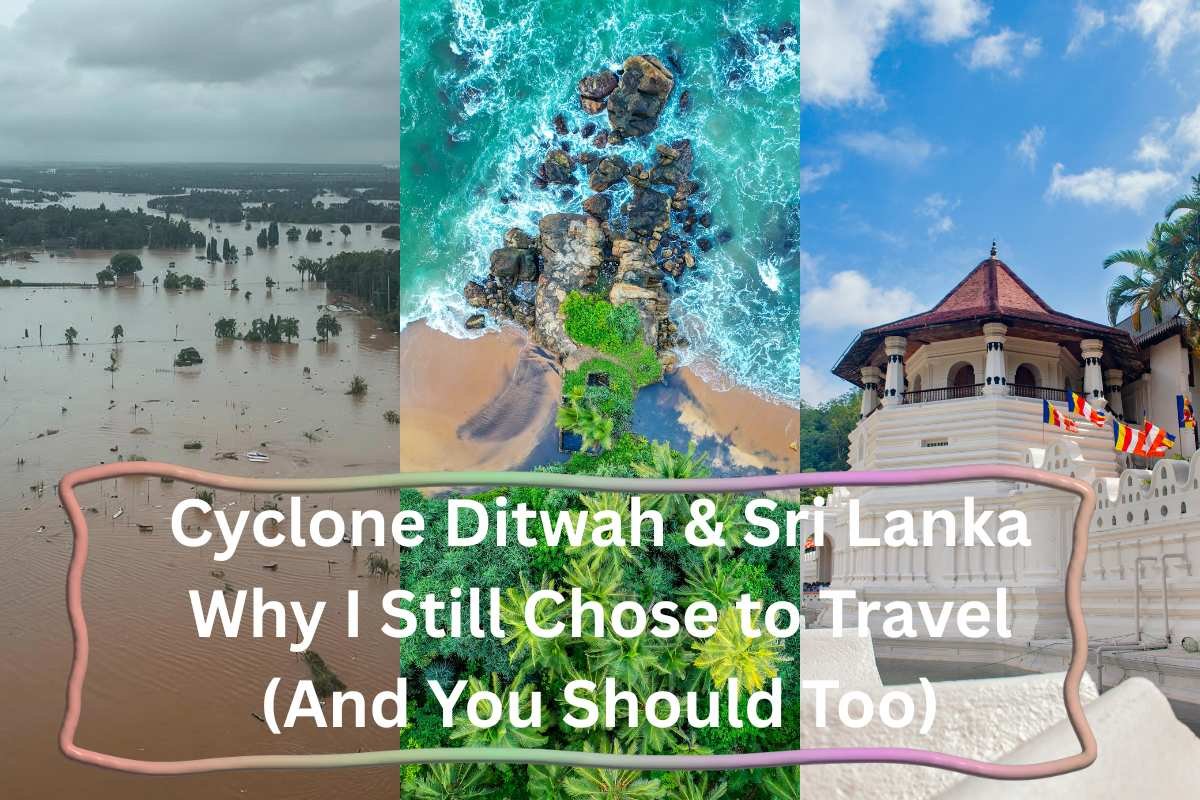
Many travelers are asking the same question right now: Is it safe to travel to Sri Lanka after Cyclone Ditwah? After landing in Colombo this week, I was surprised by how calm the situation actually felt. The main tourist areas, including Colombo, Negombo, Galle, and the Cultural Triangle, are fully open and welcoming visitors with warm hospitality.
There are real travel disruptions to note: train services between Kandy, Ella, and Badulla are currently suspended due to landslides and track washouts, and there are road closures in certain hill-country areas, especially near Nuwara Eliya and the Mahaweli River region. Local drivers and hotels are offering up-to-date information, and safe alternative routes are available.
Health and safety precautions are simple and realistic. Use clean, bottled water, avoid stagnant water, and apply mosquito repellent to reduce dengue risk. Most coastal and urban hotels have reliable electricity, clean water supplies, and attentive staff.
If you are wondering whether to continue your trip: yes, Sri Lanka is still safe to visit right now. Beaches are open, popular attractions remain accessible, and tourism directly supports local communities recovering from severe weather. With common-sense planning and local guidance, your journey can still be comfortable, meaningful, and unforgettable.
Is it safe to visit Sri Lanka now?
(Updated: 08 December 2025 — Verified Post-Cyclone Ditwah Situation)
Cyclone Ditwah has undoubtedly had a major impact on Sri Lanka, especially in terms of heavy rainfall, flooding, sudden landslides, and displaced families, but the situation varies dramatically depending on the region and travel routes.
According to the latest figures released on 08-12-2025, Sri Lanka recorded:
- 611,530 people directly affected by flooding
- 2,179,138 indirectly affected by extreme rainfall
- 956 confirmed landslides
- 27,663 homes damaged
- 89,857 families receiving relief assistance
- 627 confirmed deaths across multiple districts
- 190 people still missing as of the latest report
These numbers look alarming at first glance, but it’s important to understand what they mean for travelers right now. Many of these impacts are concentrated in rural and hill-country regions, while major tourist destinations remain safe and operational.
One of the strongest positives after the cyclone has been the rapid response from the Sri Lankan government, local authorities, the military, foreign countries, and aid organizations. Teams have been on the ground clearing blocked roads, restoring essential services, delivering medicines, and providing support to affected families. Infrastructure in tourist areas has been made stable quickly, and crews continue working daily to ensure safe travel routes.
For travelers, the most important advice is simple: listen to clear instructions from local authorities, hotels, and travel operators. Stick to recommended roads, avoid high-risk hill-country routes until further updates, and follow basic health precautions regarding clean water and mosquito protection.
With responsible planning and local guidance, Sri Lanka is safe to travel right now — and your visit supports communities, workers, and small businesses recovering from the cyclone.
✔ Places that are functioning normally
Most major tourist cities remain safe and fully operational, with hotels, restaurants, transportation, and attractions running at normal capacity. These locations reported no major cyclone disruptions and are welcoming travelers right now:
- Colombo
- Negombo
- Galle
- Hikkaduwa
- Sigiriya
- Dambulla
- Polonnaruwa
- Pasikuda
- Jaffna
- Anuradhapura
- Kandy
- Ella
- Mirissa
- Kalpitiya
These destinations currently report stable electricity, good road access, and normal hotel operations. Many properties are offering flexible check-in, transport assistance, and current travel updates for guests.
Which part of Sri Lanka flooded?
Flooding from Cyclone Ditwah affected multiple areas across Sri Lanka, with the most significant impacts recorded in central, north-central, and eastern districts. While different regions experienced varying levels of damage, the following districts were hit the hardest:
- Anuradhapura
- Kandy
- Gampaha
- Kurunegala
- Trincomalee
- Batticaloa
- Matale
Although these districts saw the most severe flooding, landslides, and road blockages, it is important to note that the situation affected the entire country to some extent. Heavy rainfall, water contamination, and temporary power cuts were reported in multiple regions beyond the main flooded zones.
Relief and emergency services have been working continuously in these districts, clearing roads, assisting families, and restoring access to water, electricity, and medical support.
Active train lines now in Sri Lanka
Based on the latest Sri Lanka Railways announcement (effective from 06–07 December 2025), the following train operations are currently active. Please note that sudden schedule revisions may occur due to weather and safety conditions.
| Departure | Route | Status |
|---|---|---|
| 08:35 | Colombo Fort → Matara | Canceled |
| 10:30 | Colombo Fort → Beliatta | Will operate |
| 08:55 | Beliatta → Maradana | Will operate |
| 12:50 | Beliatta → Maradana | Will operate |
| 19:05 | Colombo Fort → Weyayangoda | Will operate |
| 20:45 | Weyayangoda → Colombo Fort | Will operate |
| 17:25 | Colombo Fort → Negombo | Will operate |
| 19:15 | Negombo → Colombo Fort | Will operate |
⚠️ Hill-country trains such as Kandy → Ella → Badulla remain suspended due to landslides and track safety assessments. Please use private transport or bus services if traveling to the hill regions.
🔗 For the latest live train schedule and updates, visit the official Sri Lanka Railways website:
https://railway.gov.lk/web/index.php?lang=en
What you need to worry about most?
Traveling in Sri Lanka after Cyclone Ditwah is still safe, but there are a few practical realities every visitor should be aware of right now. These are not reasons to cancel your trip — just areas where you should pay attention and follow local guidance.
- Transport delays Some roads in hill-country districts may temporarily close due to landslides or repairs. Always check route updates before long-distance travel.
- Suspended hill-country trains The popular Kandy → Ella → Badulla rail line is still not operating. Use private cars, vans, or reliable bus services instead.
- Dengue and mosquitoes After heavy rain, mosquitoes increase. Use repellent daily, wear long sleeves in the evening, and ask hotels for mosquito nets or spray.
- Water cleanliness Avoid tap water in rural areas and always choose bottled or filtered water, especially after floods.
- Sudden weather changes (monsoon season) December is part of Sri Lanka’s monsoon cycle, especially in northern and eastern regions. Rain can come suddenly and heavily, particularly in the afternoon or night. Carry a rain jacket, plan outdoor activities earlier in the day, and stay updated on local weather forecasts.
- Local instructions matter Listen to hotel updates, police notices, and Sri Lanka Disaster Management Unit alerts. Following guidance is the key to stress-free travel.
🌧️ Tip: Monsoon rain is normal in Sri Lanka. It brings lush landscapes, full waterfalls, and cooler temperatures — just travel smart and stay informed.
Best areas to visit?
Even after Cyclone Ditwah and during the December monsoon period, Sri Lanka still offers stunning destinations that are safe, accessible, and ideal for travel. Below are the best regions to explore right now, based on road stability, weather conditions, and hotel availability.
- Colombo — City experiences, shopping, nightlife, temples, and street food.
- Negombo — Easy airport access, beaches, seafood restaurants, and lagoon tours.
- Galle & Unawatuna — UNESCO fort, cafe culture, coastal views, dive schools.
- Mirissa — Whales, surfing, beach clubs, sunset cruises.
- Kalpitiya — Kite surfing, dolphin watching, quiet nature stays.
- Sigiriya & Dambulla — Rock fortress, cave temples, wildlife safaris nearby.
- Polonnaruwa & Anuradhapura — Ancient cities, heritage sites, sacred ruins.
- Pasikuda — Calm east-coast waters, long beaches, low rainfall this time of year.
- Jaffna — Culture, cuisine, lagoons, Hindu temples, calm weather in December.
- National Parks (Open) — Most national parks across Sri Lanka are open and functioning normally for safaris and wildlife tours, except Wasgamuwa National Park which remains restricted. See full list here: Visit National Parks List
⚠️ Avoid hill-country waterfalls and Hakgala Botanical Garden at this time. Heavy rain and landslides have caused water surges, mud deposits, damaged walking paths, and unstable viewing areas. Local authorities are advising travelers to stay away from waterfall viewpoints until repairs and safety inspections are completed.
🌴 Tip: Southern and cultural triangle regions are the most reliable choices now, as roads, hotels, and daily activities are running normally with minimal disruptions.
How to help people in Sri Lanka?
After Cyclone Ditwah, thousands of Sri Lankan families continue to rebuild their lives. Travelers can make a real difference — not by avoiding the country, but by choosing responsible ways to support local communities during their visit.
- Book local accommodations Stay at family-run guesthouses, homestays, and small hotels where your payments directly support households, not big corporations.
- Dine at small restaurants Local eateries, roadside cafes, bakeries, and seafood huts benefit the most when tourists spend money within the community.
- Tip service workers fairly Even small tips for drivers, room attendants, and restaurant staff go a long way during recovery periods.
- Donate to trusted relief organizations If you wish to contribute financially, choose verifiable groups providing food, medical supplies, safe drinking water, and temporary housing. Recommended organizations include:
- Red Cross Sri Lanka
- UNICEF Sri Lanka
- Caritas Sri Lanka
- The Disaster Management Centre (DMC)
- Help with essential items Items such as bottled water, mosquito repellent, sanitary supplies, oral rehydration salts, and first-aid kits are always needed and easy for travelers to carry.
- Support ethical volunteer projects Always avoid unverified “voluntourism.” Instead, ask your hotel to connect you with legitimate local initiatives in schools, community centers, or medical outreach programs.
- Share reliable information Spread accurate updates — not fear or negative news. Responsible travel encourages more income for affected families and small businesses across the island.
❤️ Remember: One of the best ways to help Sri Lanka recover is simply by visiting, being respectful, spending locally, and supporting small businesses on the ground.
Tags: