

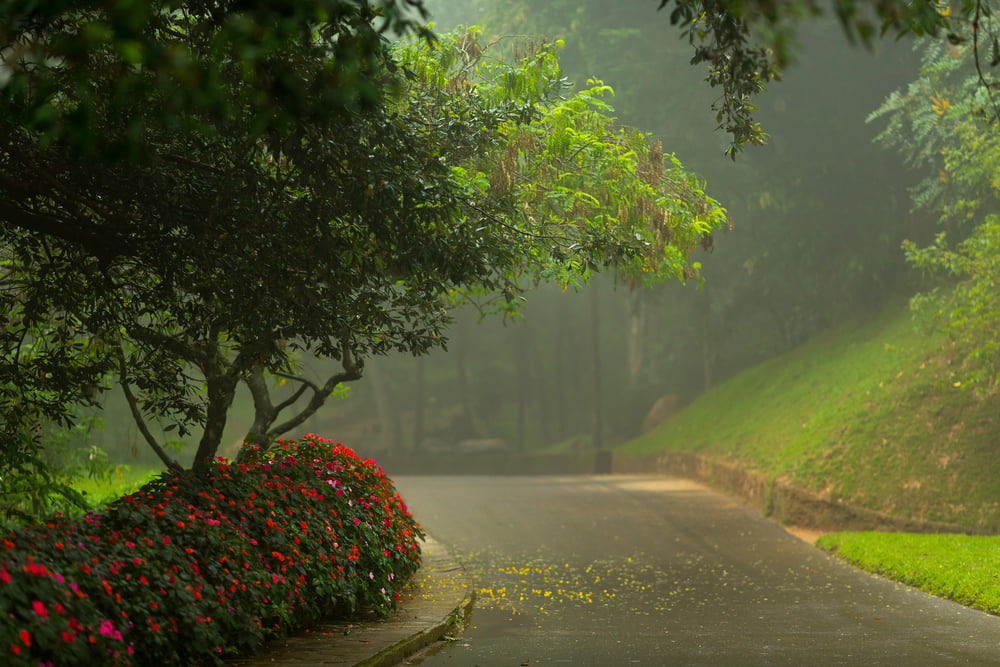
Here is the list of Botanical Gardens in Sri Lanka. Royal Botanical Gardens -Kandy, Hakgala Gardens - Nuwara Eliya, Seethawaka Wet Zone garden -Avissawella, Mirijjawila dry zone botanic garden - hambantota, Botanical gardens - Gampaha
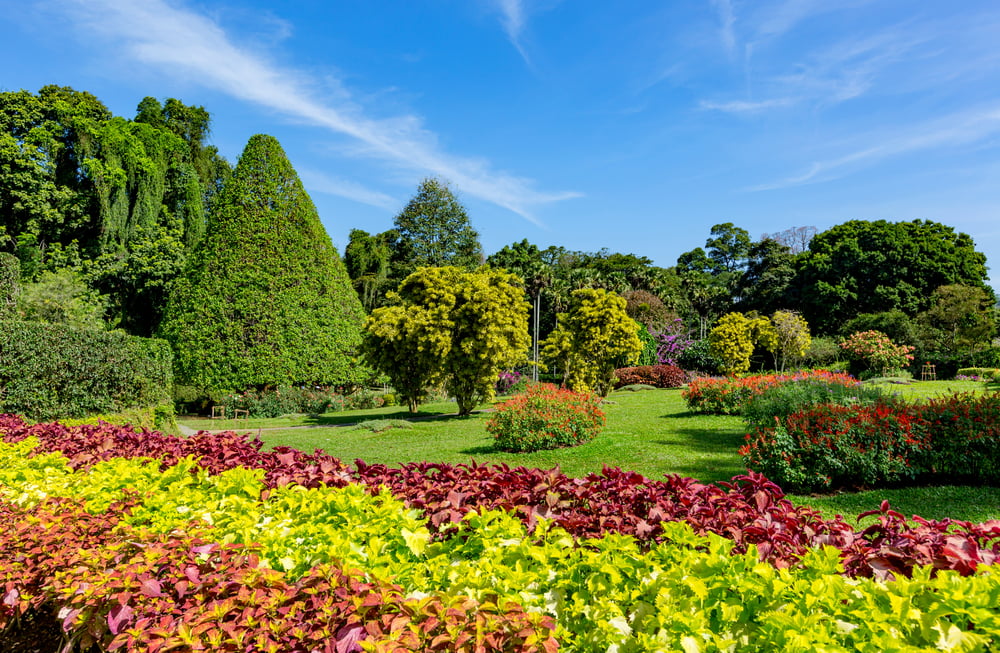 Peradeniya Royal Botanical Gardens was established back in 1843, and these delightful gardens were planted by British Colonialist leaders aback when the Kingdom of Kandy was under their power. With its unique and proud history, twisted with colonialism and technical development, the garden is viewed as a vital national asset for the island of Sri Lanka.
 Seethawaka Wet Zone Botanic Garden was established in Sri Lanka, serving as an observation region and a protected zone for exposed and defenceless endemic plant species in the Sinharaja Rain Forest region. This field also forms enhanced exportation floriculture, ex-situ conservation of wet lowland plants, and bamboo cultivation. The park was opened to the public in late October 2014, and it is the most newly constructed botanical garden in Sri Lanka.

Haggala Botanic Gardens were established in 1861 to experiment and improve Cinchona cultivation in Sri Lanka. The fields in the hill country among Sri Lanka’s tea plantations in the Nuwara Eliya district are placed along Badulla Road, 9.5 km southeast of Nuwara Eliya.
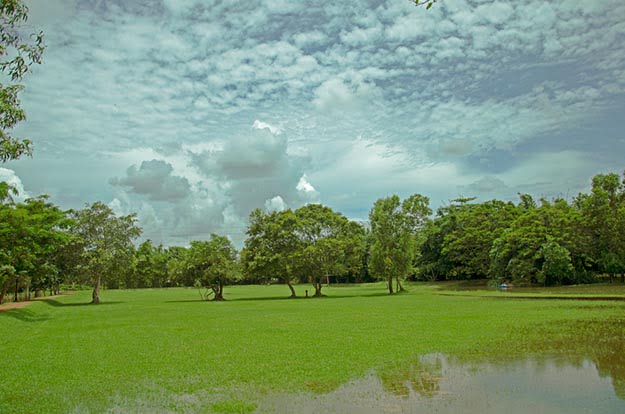
Henarathgoda Botanical Garden is located near Gampaha, about 450 m away from Gampaha railway station, on Gampaha-Minuwangoda main road. It was founded in 1876 by the British to conduct operations on exotic industrial plants such as Rubber and explore plant wealth and expansion of the economy in the territory. The garden consists of a broad type of plants, and many of them are from each corner of the tropical climatic zones and includes the land of 43 acres.
The prime imported rubber tree to Sri Lanka was first settled in this garden. It held the first seedlings of Brazilian rubber tree ever colonised in Asia after the seeds burrowed out from the Pará, Santarém, Brazil by British explorer Sir Henry Alexander Wickham did introduce to Sri Lanka from the Royal Botanic Gardens, Kew, The British scientists examined their tests on Sri Lanka due to the collapse of Rubber trials in India. They found that Ceylon offers the same environmental condition as that of the Amazon. These trees bloomed in 1880, and from the following year, Rubber seeds were distributed throughout the country and some other British colonies in South and Southeast Asia.
 Dry Zone Botanic Gardens in Mirijjawila is the leading botanic garden in Sri Lanka designed by local experts. The primary botanic garden built after Botanic Garden at Gampaha was built 130 years ago. This premier botanic garden in Sri Lanka began in a semi-arid zone to maintain semi-arid and dry zone plants ex-situ as one of the primary objectives. The other main goals are to conduct studies on plants and promote economic development in the region.
Dry Zone Botanic Gardens is the most comprehensive botanic garden in Sri Lanka in terms of space, and the size is 300 acres. An area designated for the oil refinery project has been implemented to create Dry Zone Botanic Gardens in 2006. This land had been treated with prickly shrubs and abandoned Chena lands when it was designated to develop the botanic garden. A few decades before, these lands had been used to grow cotton. This would be the main reason exist thorny shrubs in the area instead of a forest. But, the botanic garden has a few natural shrublands to show the existing plants and conduct research.